What do you look for in nonfiction?

Welcome to the second week of Nonfiction November! This week’s topic is:

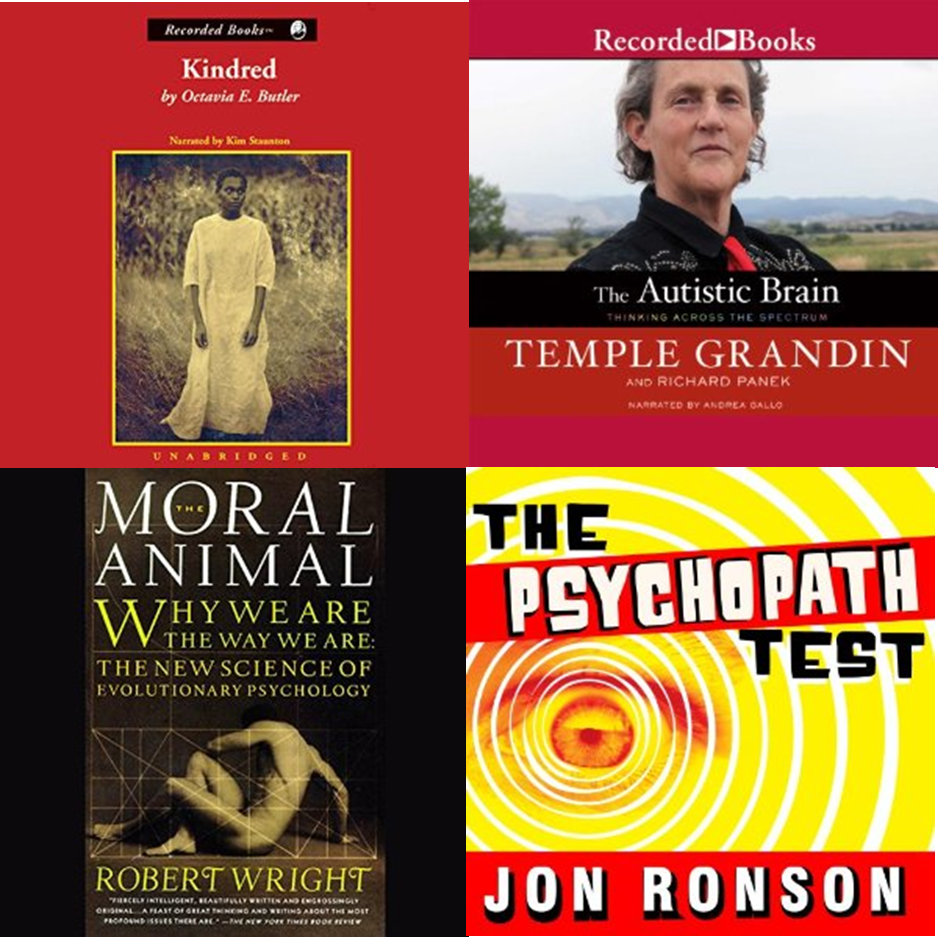
What are you looking for when you pick up a nonfiction book? Do you have a particular topic you’re attracted to? Do you have a particular writing style that works best? When you look at a nonfiction book, does the title or cover influence you? If so, share a title or cover which you find striking.

I try very hard to get a variety of non-fiction in my reading. Some years I succeed and some years I don’t. Last year I think I did a pretty good job. Until last week, I thought the topics that interested me the most are science and medicine – with an emphasis on empirical rather than personal. However, while I was answering last week’s question I realized something – those preferences have changed. Two of my top three favorite books are memoirs! And all three of them were about social awareness.Of course I already knew that social awareness was an important topic to me, but I hadn’t realized how much it had affected my reading choices. 

In the past, I have preferred books that are researched so well they almost read like a textbook. And I still have a leaning towards the empirical rather than the personal, though memoirs on certain subjects (mental illness, for instance) are more and more appealing to me. I read so many empirical books about mental illness that I’m afraid I’m losing the people that are affected by the illnesses. Same for social justice issues. I can read textbook information all I want, but if I don’t read memoirs, then I’ll never know how people feel about these things – only what they think about them. 

And YES, the cover and title are a huge influence over me. Ever hear the phrase “don’t judge a book by it’s cover?” Of course you have. And I do. I think the cover and title should be chosen carefully to indicate what sort of book is inside. It is the publisher’s first line of attack in getting someone to pick up the book and read the blurb in the first place. One book that I picked up mainly because of the cover and title was Severed, by Frances Larson: 

What about you? What are you looking for in your nonfiction? Comment below or include a link to your post in the linky:


http://www.blenza.com/linkies/easylink.php?owner=roachalady&postid=30Oct2016&meme=12654
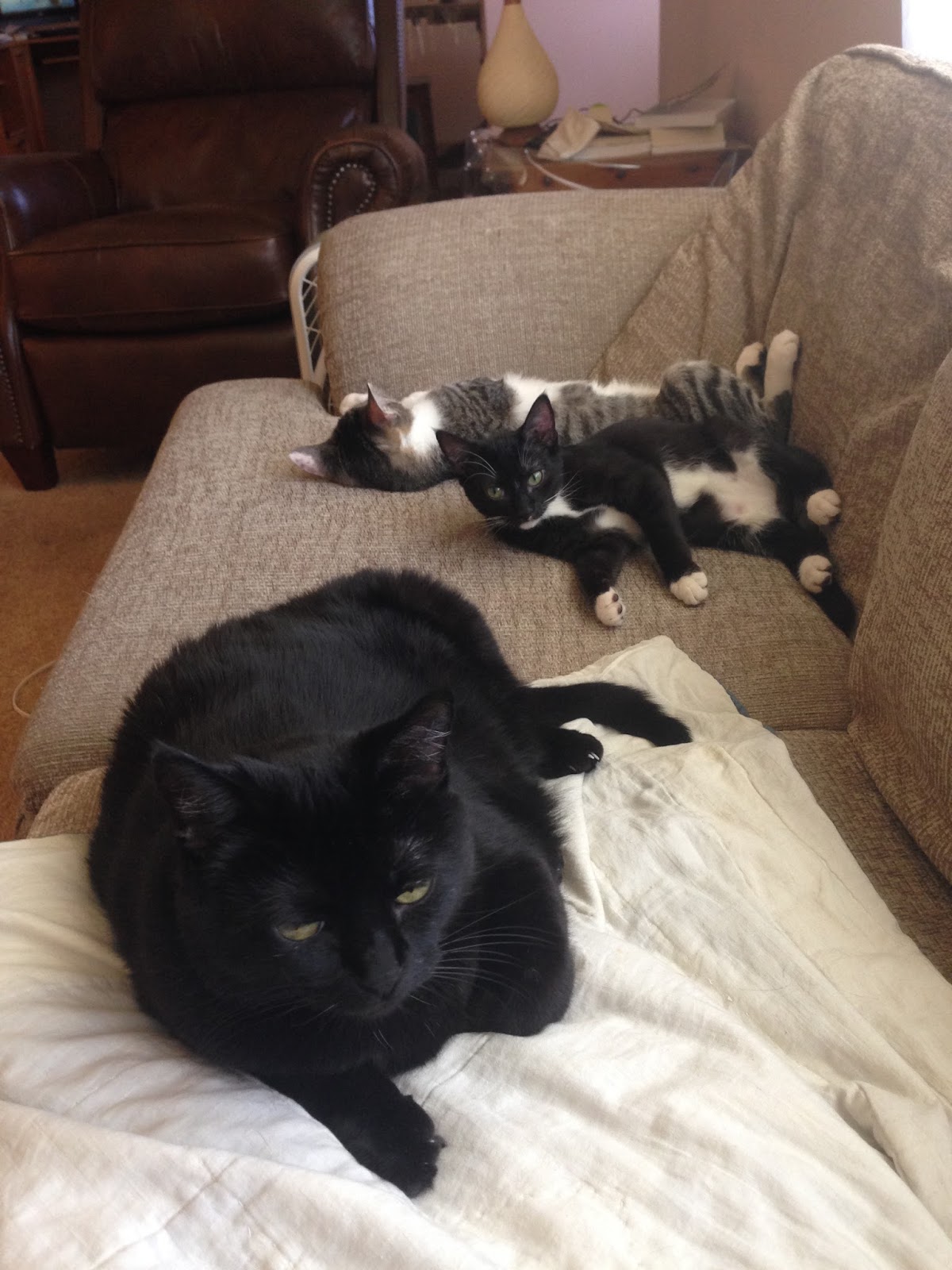
Reading with the Cats

This week was a good one. I didn’t do a lot of stuff, so I had lots of extra time to read. I didn’t do anything for Halloween since I’d expected to work (in fact, the electricity went out and I got to leave work early, but I was tired when I got home and used the extra time to relax). I’m looking forward to election day coming up. This has been an exhausting election season! I hope you all take the time to have your voice heard on Tuesday. Vote!


On the blog: I reviewed two books this week: Stiletto by Daniel O’Malley and Men We Reaped by Jesmyn Ward. I also kicked off Nonfiction November by describing my year in nonfiction. Check it out, it has a lovely picture of all the books I read! 

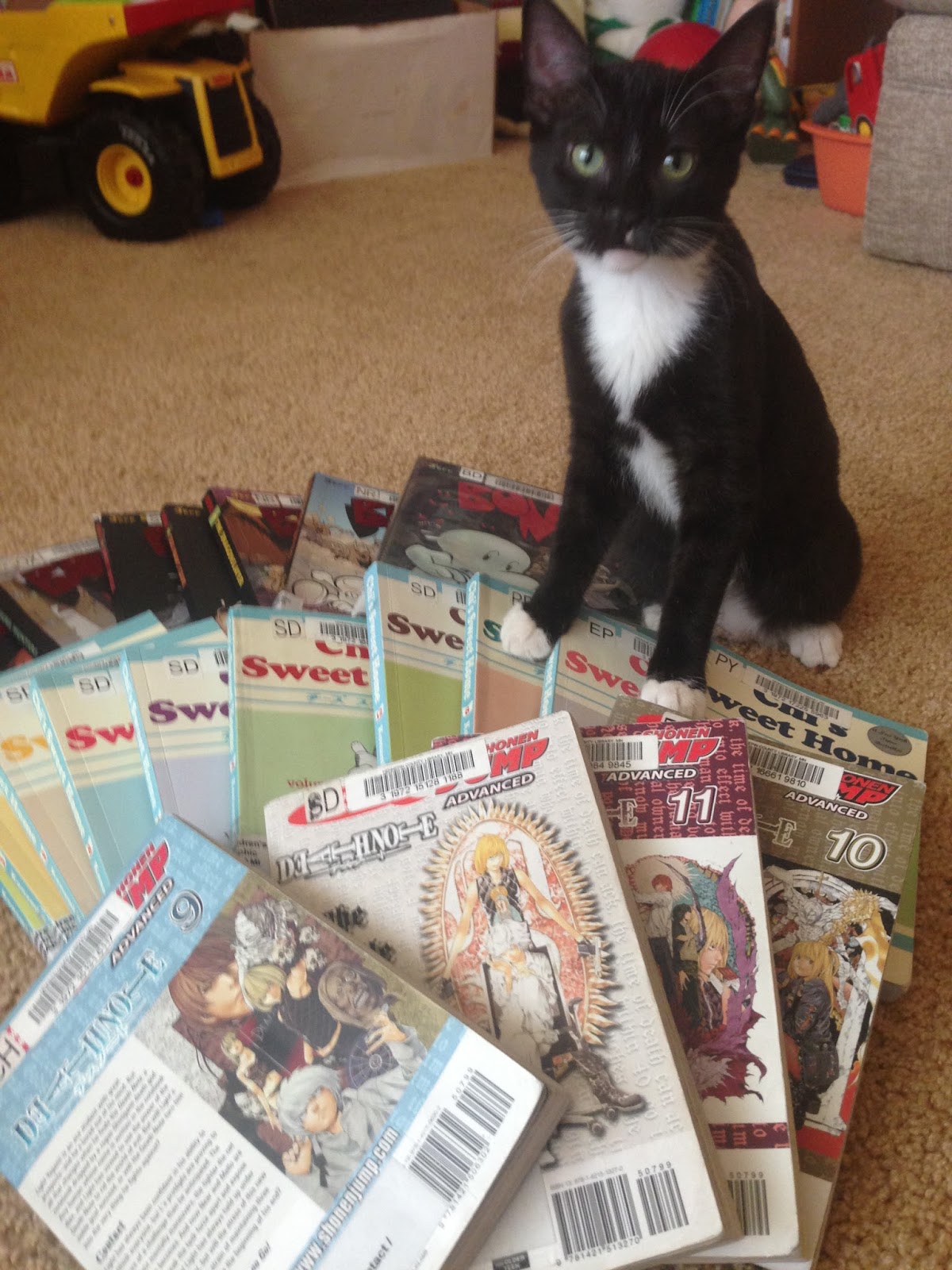
Books Completed: In the rather stubborn desire to complete my goal of 75 books this year, I’ve added graphic novels to my daily reading. That’ll probably continue into next year since the Bible group read will significantly reduce the number of other books I get read. And how can I make a goal of less than 75? I finished the series Chi’s Sweet Home, by Konami Kanata, and continued reading the series Bone, by Jeff Smith. 

Acquired: Despite my intent to use one of my last two Audible credits to buy White Trash, by Nancy Isenberg to supplement my Nonfiction November reading, I spent both credits on the 2-for-1 sale. Good job Rachel. But I got some good books. White Trash will have to wait. 

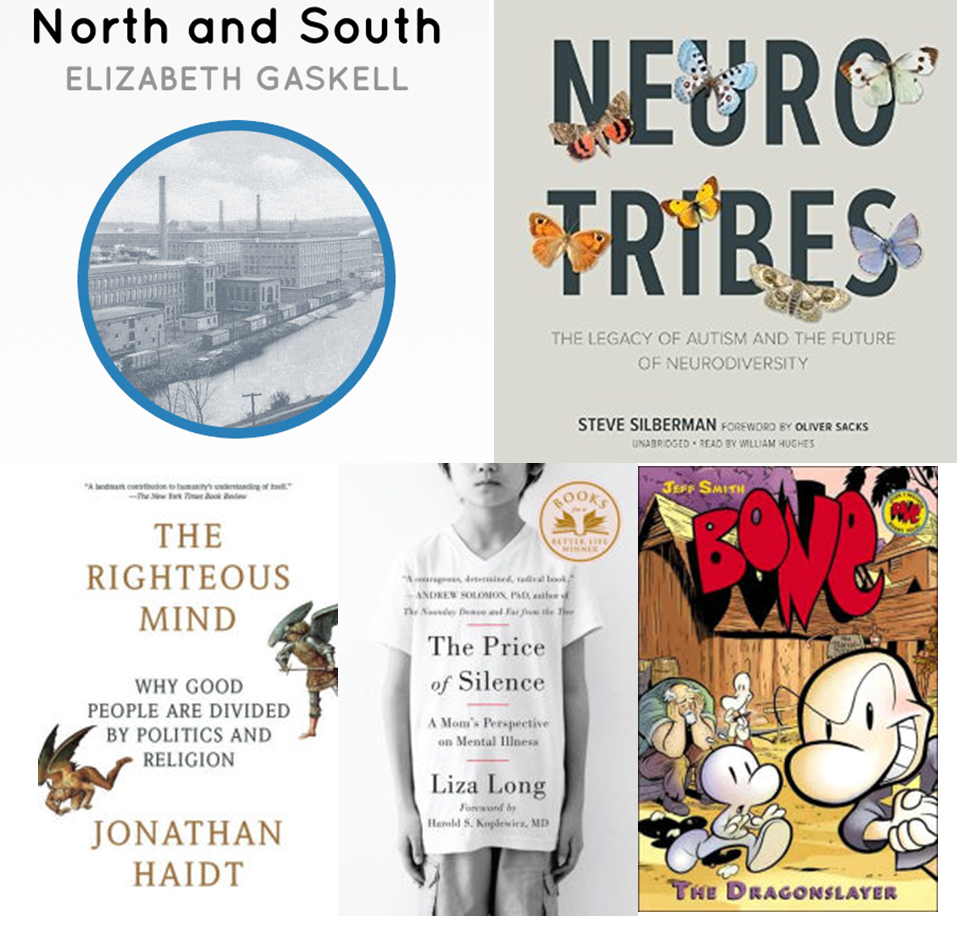
Currently Reading: North and South, by Elizabeth Gaskell is my current serial read. I’m listening to Neurotribes, by Steve Silberman, but have set aside The Stand, by Stephen King for December when I won’t be trying to pack in as much nonfiction. I’m also enjoying The Righteous Mind, by Jonathan Haidt, and The Price of Silence, by Liza Long. The graphic novel I’m currently working on is Bone: Volume 4

Men We Reaped, by Jesmyn Ward

First of all, I will have difficulty in this review expressing how good this book is. It is a memoir about the deaths of several young black men that grew up in a lower socioeconomic class. It shows the difficulties of navigating in a world which most of the readers are unfamiliar with. In Men We Reaped, Ward elicits grief and frustration in the readers which makes it a very difficult book to read. I teared up a few times. Definitely a must read for anyone interested in social issues or emotional memoirs. 


This is a final discussion post for the Social Justice Bookclub hosted by Kerry at Entomology of a Bookworm

1) Men We Reaped is described as a memoir. While it draws on Ward’s personal experiences, it also explores themes much larger than one woman’s life. Do you agree with this genre classification?

I would call this book part memoir part social awareness genre. In fact, I think taking away the title of “memoir” would subtract from the power of the book. The genre “memoir” suggests that a book is very personal. And describing these deaths was very, very personal to Jesmyn Ward. That much was clear from the narrative. 

2) In what ways do you think Ward’s personal approach to this subject makes Men We Reaped stand out from other books that address similar issues? Did this make the book appeal to you more or less, or were you indifferent?

I admit that I don’t read a lot of memoirs. I’m not sure why except that I like that style that many people reject: the “sounds-like-a-textbook” one. The reason for that is because I prefer the information to be well-researched and accurate. Most books I read on similar issues, therefore, do not have this personal feeling to them. They sometimes try to add to the personality by including stories about people they’ve interviewed, but this is not the same thing as listening to a first-hand account. On the other hand, it was the personal aspect of this book which made it so powerful. Therefore I’d say I’m ambivalent to the memoir format. 

3) In more than one instance throughout the text, Ward writes about feeling silenced and voiceless in the face of overwhelming systems of inequality. Do you think Men We Reaped changes that position by giving her a voice?

It does and it doesn’t. Ward is given a voice because she “rose above” her background into a situation in which she could have a voice. She was talented, intelligent, and lucky. There are so many people out there without these gifts and although they are not able to express themselves as clearly and fully as Ward, they still deserve to be heard. 

4) Though Men We Reaped is about the loss of young black male life, it is also, in many ways, about the black women left to stand witness to the lives and deaths of those in their community. How does this gendered perspective change the story of the high mortality rate among young men of color?

I think most books on this subject tend to focus on the black males because they are the ones that are dying and imprisoned in droves. This book is special because it allows you to what’s going on in the mind of one female survivor of these tragedies. It gives one voice to the thousands of women out there who are surviving this messy system. 

5) If you could ask Jesmyn Ward any one question about this book and/or the experiences she recounts within it, what would it be?

I already gave a partial answer to this question based on my own thoughts on this subject. But I would ask “How much of your success is due to luck? And how many intelligent, talented women and men do you think are out there who could have been as successful, but didn’t find the connections or resources to “rise above?”

Stiletto, by Daniel O’Malley

Stiletto is the sequel to the fantastic book The Rook, by Daniel O’Malley, and the review contains spoilers for the first book. In Stiletto, Myfanwy Thomas’ truce with their enemies the Grafters is beginning to solidify, but the anger and fear on both sides is difficult to dispel. However, they soon realize they have a mutual enemy to fight. 

Instead of focusing on Myfanwy Thomas, as The Rook does, Stiletto jumps between several main characters. In fact, Myfanwy is rather a minor character in this second book. Despite my interest in the other characters, I was missing Myfanwy’s unique perspective on things. Instead of explaining the Checquy through the eyes of an amnesiac learning the ropes, this book went off on rather dull divergences about the history of the Checquy and the Grafters. This made the book rather longer than it ought to have been. That’s added to minor subplots and incidents which could easily have been left out of the book. I don’t mean to say that I didn’t enjoy Stiletto, only that I enjoyed it a lot less than The Rook, and feel that it would have been a better novel if shorter. 

Nonfiction November: My Year in Nonfiction


The first prompt in Nonfiction November is to relay my year in nonfiction. Well, there it is, above. Those are all the nonfiction books I completed since last Nonfiction November. Of those, my top 3, in no particular order are: Half the Sky, by Sheryl DuWunn; Men We Reaped, by Jesmyn Ward; and Wild Swans by Jung Chang.


Half the Sky is about the world-wide struggles of women for equality. We learn about human trafficking, poor healthcare during childbirth, and inequality in education. The authors educate us on what we can do to help the situation and why such help is needed. 

Men We Reaped is a memoir about several black men in Jesmyn Ward’s life (including her brother) who died too young. It describes the difficulties of living as a minority in a lower socioeconomic class and how these difficulties can lead to premature death and destruction of families. 

Wild Swans is a biography / memoir about three generations of women in Jung Chang’s family and how they survived the war and uprising of Communism in China. 

Interestingly, all three of my favorite books are on social awareness topics. I’m learning something about myself as I type this. 🙂 The two topics that I wish I had read more of last year are politics and medicine. 

What are your favorite nonfiction books of last year? 

Sense and Sensibility and Payphones

I thought I’d share a picture of this relic I happened to find. Just in case you’re strolling down the intersection of Dale and Lexington in Roseville one night, need a phone, don’t have yours, happen to remember the number you’re calling, and have a quarter with which to make that call. 

This was a good week. I went to Sense and Sensibility with my mom and best friend – and we loved it. It was the Kate Hamill adaptation so Elinor was a bit more lively than I’m used to. But it was a fantastic production and I’m so glad I got to go. If I had the money, I’d do it again this week! But, alas!

Today I was planning on going to a corn maze with my boyfriend and nephew but it seems that plan is out (it’s supposed to rain). So it’ll be a lazy day for me. 
I have fantastic news. I was beginning to think that Nonfiction November wasn’t going to happen this year, but Katie at Doing Dewey set it up last minute. For more information, check out her post

This week I finished volumes 4-9 of Chi’s Sweet Home by Kanata Konami, the last two volumes (11-12) of Death Note by Tsugumi Ohba, Gods Behaving Badly by Marie Phillips, and Men We Reaped by Jesmyn Ward. 

I set aside Kugel’s How to Read the Bible in favor of The Righteous Mind by Jonathan Haidt, which I’m going to try to finish by the end of November (no bad feelings if I can’t). Haidt’s book is about the psychological and moral reasons behind the polarization of America. I’m also reading The Price of Silence by Liza Long, which is about the state of the mental health system in America, and Neurotribes by Steve Silberman, which is about the history and present of Autism. (I thought I’d had a nice variety for Nonfiction November, but upon typing this up all three are about psychology and social awareness. Sigh.) Neurotribes is a November readalong over at Doing Dewey. You’re welcome to join in. My real life book club choice is The Stand by Stephen King, and my serial read is North and South by Elizabeth Gaskell. 

Pumpkins and Reading

Well, this was a busy week for me. It started out on Sunday with a pumpkin carving party with my friend and my 12-yo nephew. My nephew’s pumpkin is on the left and mine is on the right. My pumpkin has already been devoured by squirrels on my front porch. 


The work-week was good. I’m settling in to my new job well and am feeling more confident in the patient care aspect of it. 

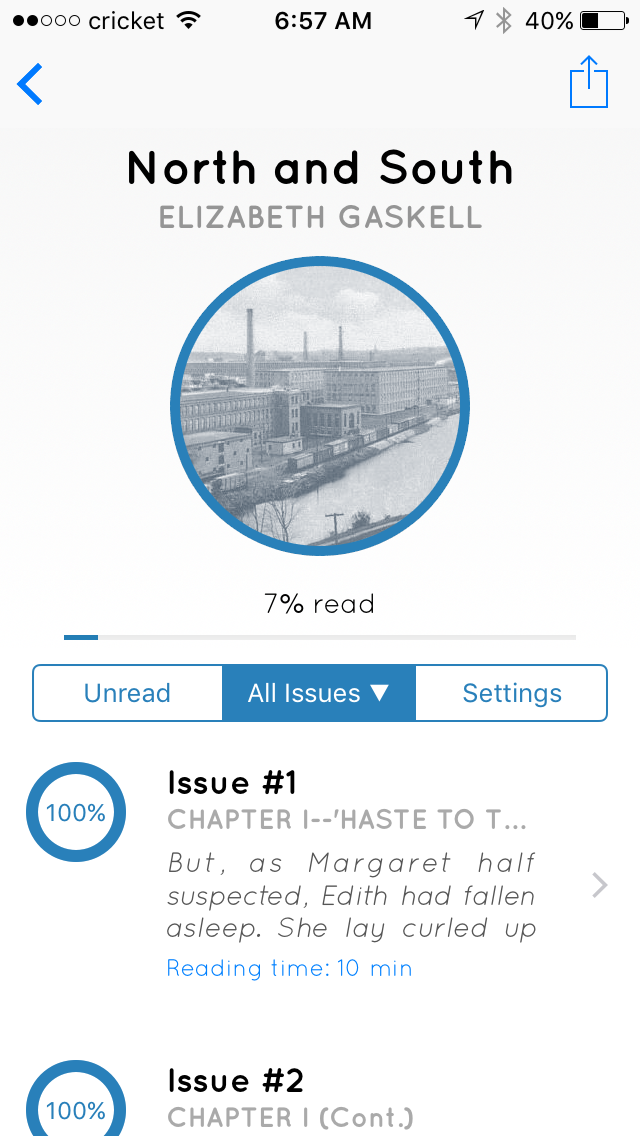
I tried out the Serial Reader app because I saw so many people on Litsy using it. It gives you a short (maybe 10 page) “issue” of a classic novel of your choice to read each day. Figured it would be a great way to bully through some of the longer books that I look at wistfully and never pick up. So far, it’s been fun but a little difficult to stop reading at the end of the issue.

As many of you know, Saturday was Dewey’s 24-hour readathon, where people all around the world join in to read as much as they can in 24 hours. I was hoping to read for the full 24 hours (with some breaks), but I got tired and fell asleep after 16. It’s probably for the best. People with bipolar disorder, like myself, should be getting their full allotment of sleep lest they tip their mental health scale accidentally. So I’m happy today with the amount that I read – which was about twice as much as I would usually read on a lazy Saturday. I read: 

2 Serial Reader Issues of North and South, by Elizabeth Gaskell
2 hours of Stiletto, by Daniel O’Malley
3 hours of Men We Reaped, by Jesmyn Ward
Volume 10 of Death Note, by Tsugumi Ohba
100 pages of Into the Woods, by Tana French
50 pages of How to Read the Bible, by James Kugel


This week I watched The Addams Family and Home, both during the pumpkin carving party: 

I finished listening to Stiletto, by Daniel O’Malley and Volume 10 of Death Note, by Tsugumi Ohba

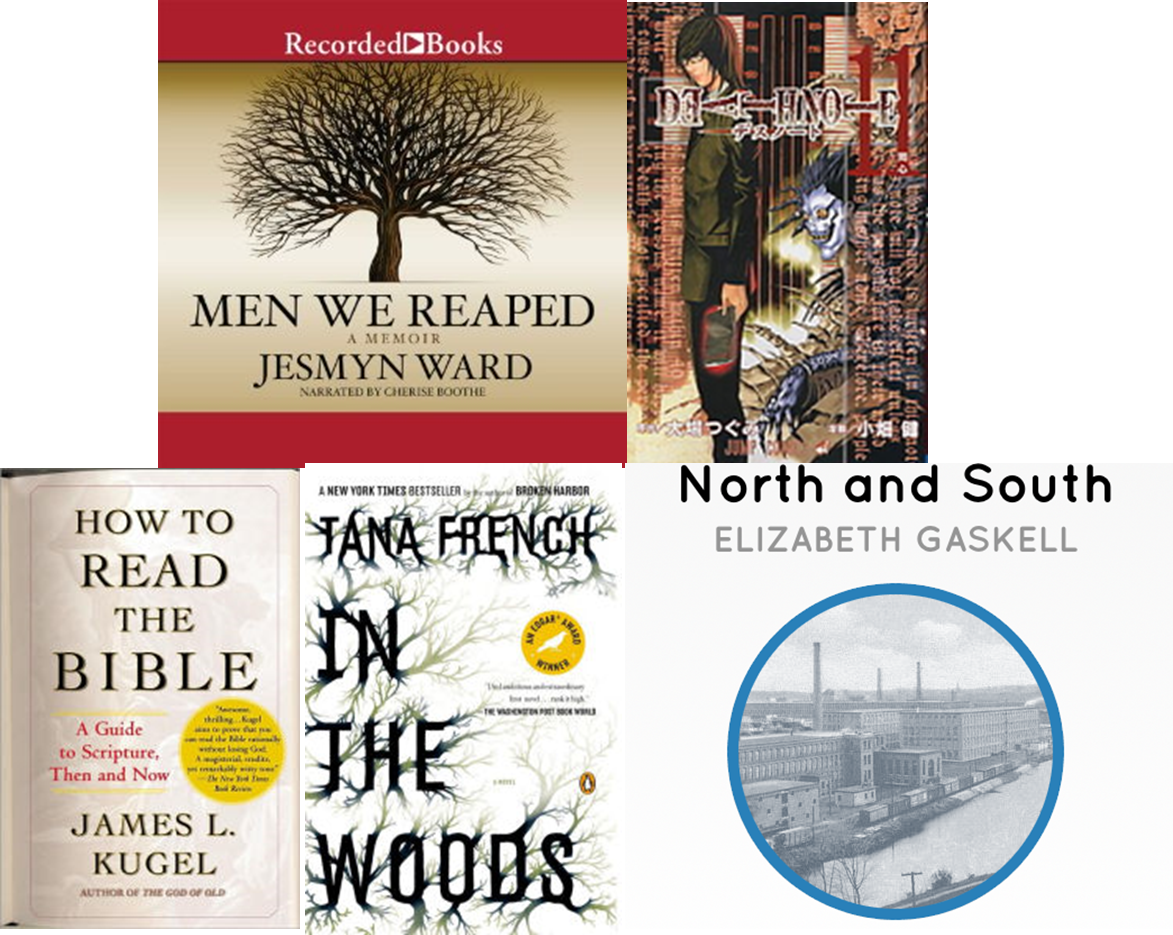
I’m currently reading Men We Reaped, by Jesmyn Ward with the Social Justice Book Club; Death Note, by Tsugumi Ohba; In the Woods, by Tana French; How to Read the Bible, by James Kugel; and North and South, by Elizabeth Gaskell as my serial read. 


Dewey’s 24 Hour Readathon Opening Post


Well, the day of Dewey’s 24 hour readathon has finally come, and I’m really looking forward to it. I’ve never participated for the full 24 hours before, and am eager to see how I hold up (especially since I had a long day at work yesterday). My strategy is simple: read until I need a break, then read again. I have a mixture of fiction, nonfiction, graphic novels, and audiobooks to get through. I don’t know if I’ll participate in the challenges or not, but this will be my base post which I’ll update throughout the next 24 hours. 


1) What fine part of the world are you reading from today?

I’m reading from Minneapolis, MN. It’s a beautiful fall day here…a little too cold for me to go outside and read, but nice weather to sit by a window.

2) Which book in your stack are you most looking forward to?

I’m hoping to get a huge chunk out of In the Woods, by Tana French. 

3) Which snack are you most looking forward to?

I didn’t have time to prepare snacks because I was called in to work unexpectedly on Thursday and worked a 16 hour day on Friday. So I might have to go snack shopping during a break. I’ll probably settle for chips and salsa. 

4) Tell us a little something about yourself!

Well, what do you want to know? I work in healthcare and I read a lot. 

5) If you participated in the last read-a-thon, what’s one thing you’ll do different today? If this is your first read-a-thon, what are you most looking forward to?

This is my first readathon where I’m really participating rather than participating in spirit. I’m curious to see how long I will last. And I’m hoping to get lots and lots read. 

Updates


Hour 0: Got out of bed at 6 for a 7am start.  


Hour 1: I started with today’s Serial Reader issue of North and South (is anyone else using this app?), and have now moved on to How to Read the Bible, by James Kugel.

Hour 2: Continued to read How to Read the Bible. 


Hours 3-6: Finished the audiobook Stiletto, by Daniel O’Malley, and delved into In the Woods, by Tana French.

Hour 7: Listened to Men We Reaped, by Jesmyn Ward as an eye-ball break.  


SOCIAL JUSTICE BOOK CLUB: MEN WE REAPED — MIDWAY DISCUSSION

I’m reading Men We Reaped, by Jesmyn Ward for the Social Justice bookclub hosted by Kerry at Entomology of a Bookworm. The discussion questions are provided by Kerry, and will contain spoilers. 

1) In the very first pages of her book, Ward calls this her “rotten fucking story.” Did this change how you approached the chapters to come in any way?

I don’t think her terminology here affected the way I approached the following chapters. I guess I expected a pretty rotten story to begin with, based on reviews of the book. But I think using such strong words made that passage more powerful. 

2) When she lists the names and dates of the black men in her life who died in the four years between 2000 and 2004, Ward writes, “That’s a brutal list, in its immediacy and its relentlessness, and it’s a list that silences people. It silenced me for a long time.” She then goes on to wonder “why silence is the sound of our subsumed rage, our accumulated grief. I decide this is not right, that I must give voice to this story.” I’ve read a lot about voice and the importance of voice lately, so I’m curious what others think of the importance of voicing the horrors of this story, these losses.

I know several people with PTSD, so I know that it is very hard recounting the horrors of your life because it drags everything to the front of your mind again. On top of that, a lot of people don’t want to hear your pain. They have an attitude that everyone experiences pain and that your pain is no worse than anyone else’s. That you are simply being whiny or that you exaggerate. It’s hard putting up with that rejection after you’ve borne your heart to the world. However, it’s important for people to hear stories like this because it makes them think about how their own actions might be affecting the people around them. Unfortunately, it’s the thoughtful people who read these books – the ones who would benefit the most are not interested.

3) What do you make of the two timelines in Men We Reaped? To what effect do you anticipate–or perhaps hope?–Ward will use these inverse chronologies?

I admit, at first I found the two chronologies a bit confusing because I’m listening to the audiobook. But eventually I realized what was going on. I think this is the best way to tell this story instead of straight chronological order because she’s building up the suspense for what I assume is the most powerful of the four stories. 

4) The idea of gender is woven throughout Ward’s memoir, but particularly in reflecting the unique freedoms–and risk of lack of freedoms–of the black men in her life (as compared to the black women in her life, herself included). How do the men and women in Ward’s stories subscribe to (or not) these gender expectations, and how do you think that influences their experiences?

So far, the elder women in the book seem to follow the gender rules of their culture – no smoking, working all the time (both in the home and out), etc. On the other hand, the younger women are more liberated. Strangely, I don’t think that the liberated women are any more happy than the non-liberated women because liberation brings a whole new set of problems like the availability of alcohol, drugs, and unsafe sex. Not that I’m criticizing liberation, only that I think that socioeconomic status strongly affects the stresses in one’s life. 

5) Ward frames her story with a hope: “I’ll understand a bit better why this epidemic happened, about how the history of racism and economic inequality and lapsed public and personal responsibility festered and turned sour and spread here.” Based on the first several chapters, do you think her exploration of these deaths will get her where she hopes to go? Or are these kinds of events impossible to ever truly understand?

Although reliving the horrors of one’s life is extremely difficult, it is a common treatment for PTSD. Reliving horrors helps the person to process them. So, yes, I think writing this book will help her to gain some understanding of what has happened in her life.

Halloween month adventures

Hero with Chi Three


This week was a lot of fun. I had three days off in the middle of the week, and got lots of reading done. I’m also stockpiling my TBR of graphic novels for Dewey’s readathon (coming up on the 22nd). No, I don’t plan on only reading graphic novels, but I know that if I sit reading for 24 hours straight my eyes are going to be blurring over at the end. Thus, easy reading choices.  

Selfie with supermoon
On Saturday I went to The Trail of Terror with my best friend and my boyfriend. We got to enjoy the supermoon. The supermoon is supposed to be at its best at moon-rise this (Sunday) evening, so check it out! The Trail of Terror was fun – it was a set of maybe five little fun/spook houses, a wooded walk (shortened because of flooding), and a heated “maze” all surrounding a karaoke bar. There were also spooktacular rides, games, food booths, and three bars. 

I didn’t really find anything scary, but there were a couple of times I felt thoroughly lost in the spook houses and maze when there were too many strobe lights or too little light. I have this weird thing where my vision starts flashing whenever there’s not enough light, making it even harder for me to find my way in darkness. (Apparently I have an inner strobe light?) I had to just hang on to my boyfriend to guide me through those parts because they were very disorienting. But I guess that’s the point. 

Today I plan on carving pumpkins with my nephew and my best friend. I’m sure I’ll have some pictures to share in my next update. 

This week on my blog I wrote one book review: The Fifth Child. It’s a spoiler review, so watch out. That was my one Halloween book for the season, unless In the Woods counts (it’s a mystery). 

Books Completed

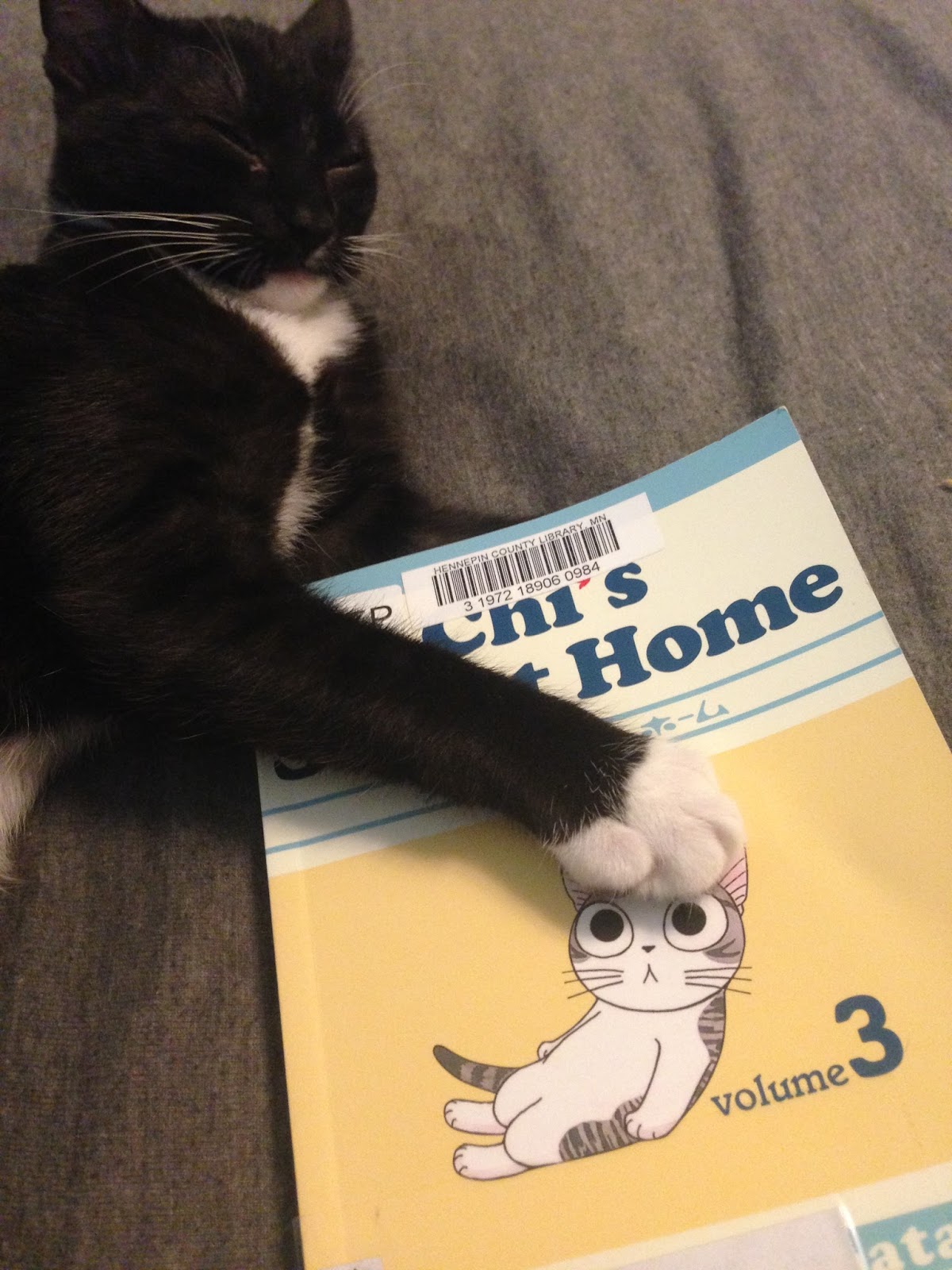
I finally finished Harry Potter and the Chamber of Secrets, which I hadn’t been making very quick progress on despite loving it (again). I then sprinted through The Fifth Child, by Doris Lessing – I didn’t expect that to be such quick reading. And because my eyes were getting blurry from all that reading, I settled down to read one of my graphic novel stack: Chi’s Sweet Home Volume 3. Adorable!

Watched

I watched the first two Terminator movies with my boyfriend.


Currently Reading: