This is January’s linkup for the 2020 History Nonfiction Reading Challenge, hosted by yours truly. Please put reviews in the comments section. As they arrive in the comments section, I will read them and then move them to the main text so that everyone can read them more easily.
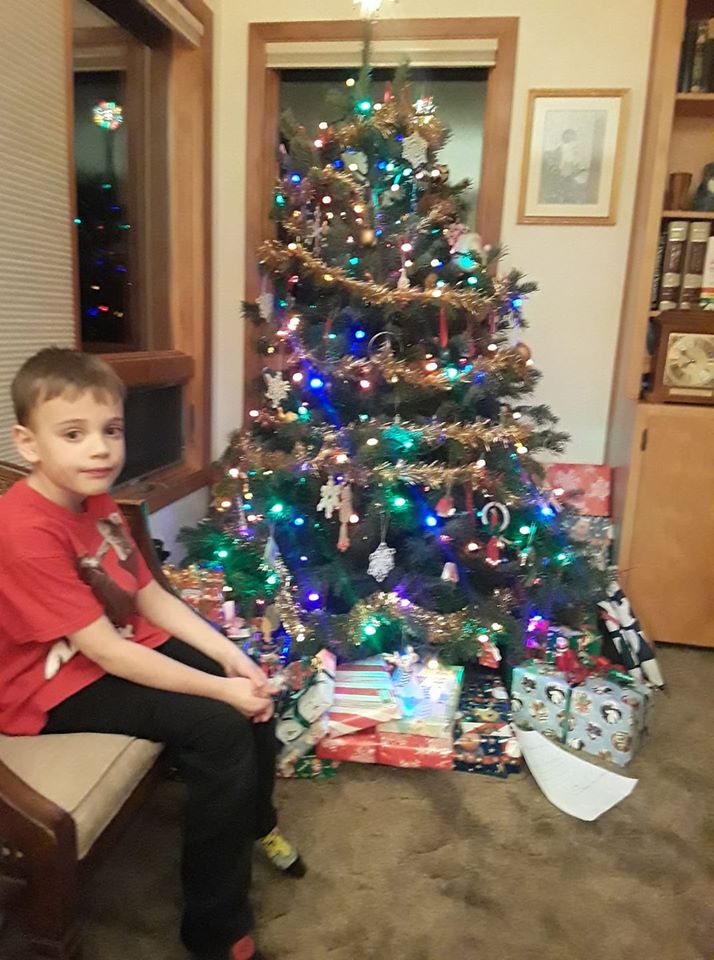
I hope everyone is having a happy holiday season. My two weeks since my last update have gone well. My family is currently in Oregon celebrating Christmas / Hanukkah with my in-laws. It has been a wonderful holiday season for us.
We had a scare two days before we flew out, when IL spiked a temp of 103. We took him into Urgent Care, and found that he had tonsillitis, though we got the ok to fly. He was a bit grumpy for the first few days of of his trip, and so was I, as I have had a nasty virus as well. Luckily, I’m feeling better, though not 100%.
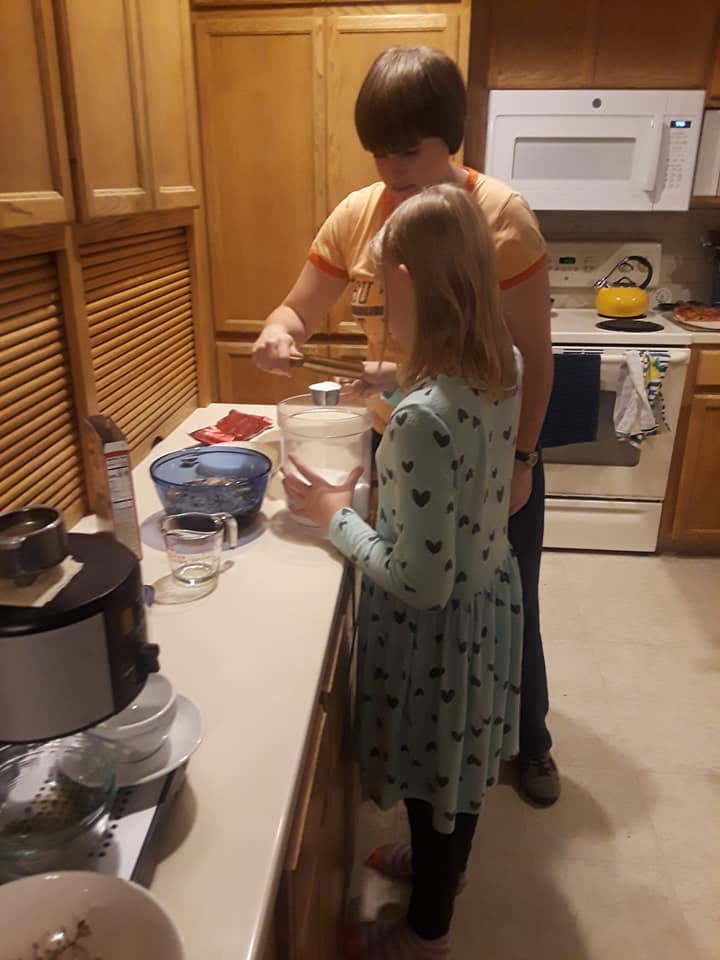
The kids had a sneaky way of providing evidence of whether Santa existed or not. They put out both cookies and milk AND pizza and cider. They put out a coded note saying that Santa could only choose one snack. The code was the numerical alphabet backwards. Santa ate whatever he wanted, and left a coded message saying “I eat what I choose, young mortals.” It’s still up in the air whether Santa exists.
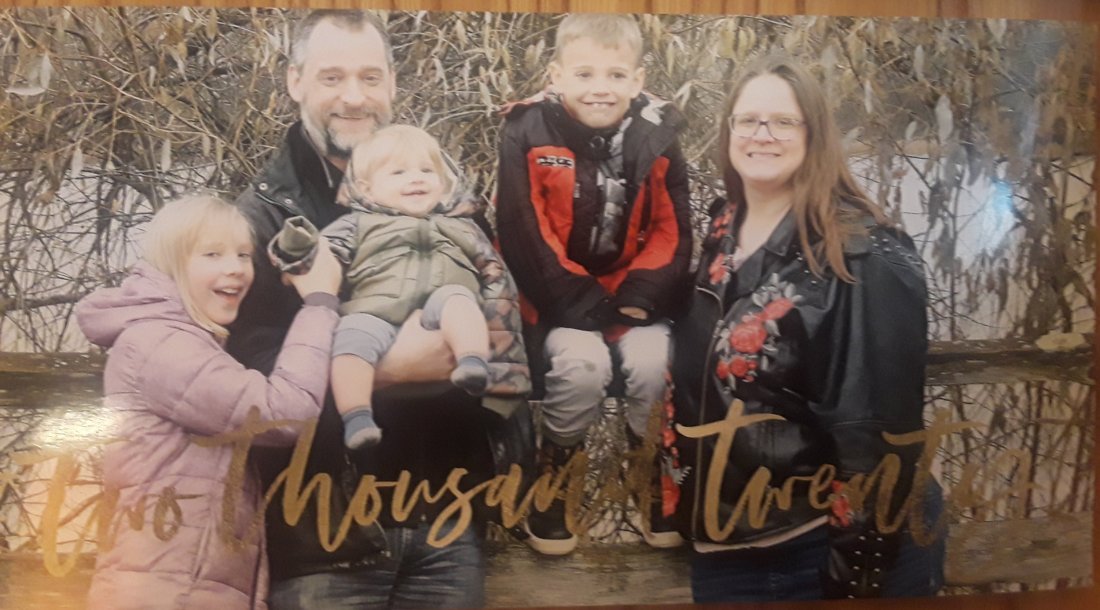
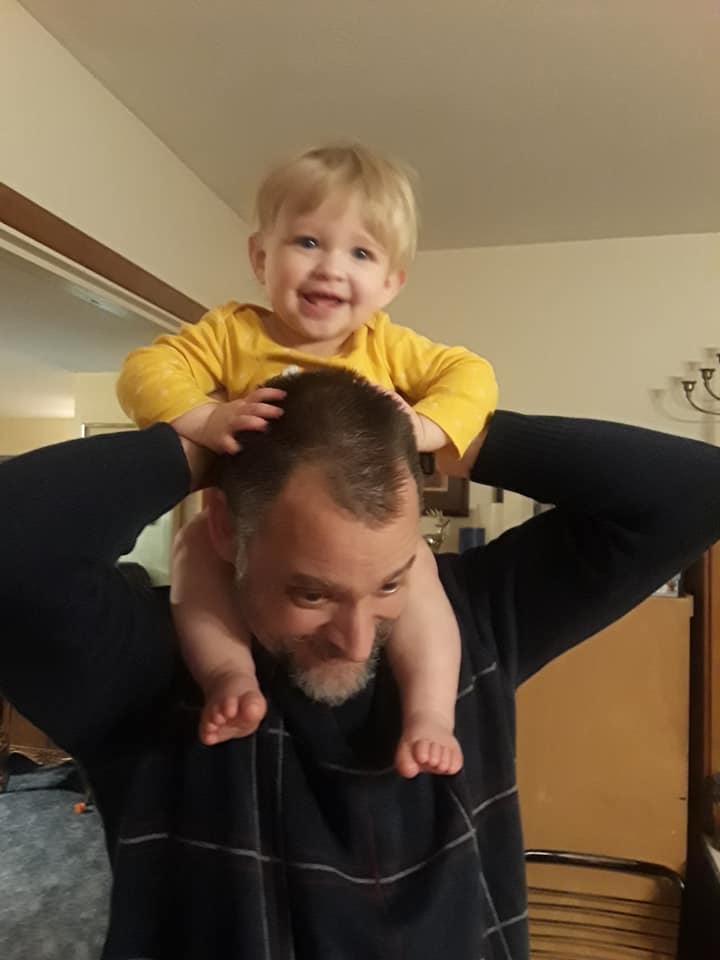
Here’s a few pictures:
Despite my goal to put a table saying my eating habits last week, I was unable to make a post due to our unexpected trip to Urgent Care. But the basic idea is that I binged more than I realized I do. That’s discouraging, but the information will help me be more conscious of my bad eating habits.
I am working on reading Maelstrom, by D. J. Schuette right now. But will soon move on to one of the books that Mark from LibraryThing sent me for a Christmas Swap.
Happy New Year to everyone! This has been a fantastic year for all of us here in the Wershow family.
D, who had been having trouble writing in school, is no longer having difficulty and is invited to be tested for the gifted and talented program at her school! She is progressing in her swim lessons, and has passed two levels this year. I don’t know if she’s still wanting to swim the English Channel, but she’s working hard nevertheless. She is also in the Twin Cities Girls’ Choir this year, and is enjoying it, despite all the hard work. She may try a less intensive singing program next year. 😊 D had her first slumber party this year, and was so excited for her 10th birthday.
M is also doing much better this year. Despite his ADHD, he is doing well in school and is the most self-aware 7 year old I’ve ever met. Like his sister, he is quite bright. He was in soccer over the summer, and did a fantastic job. He is also progressing in his swim lessons.
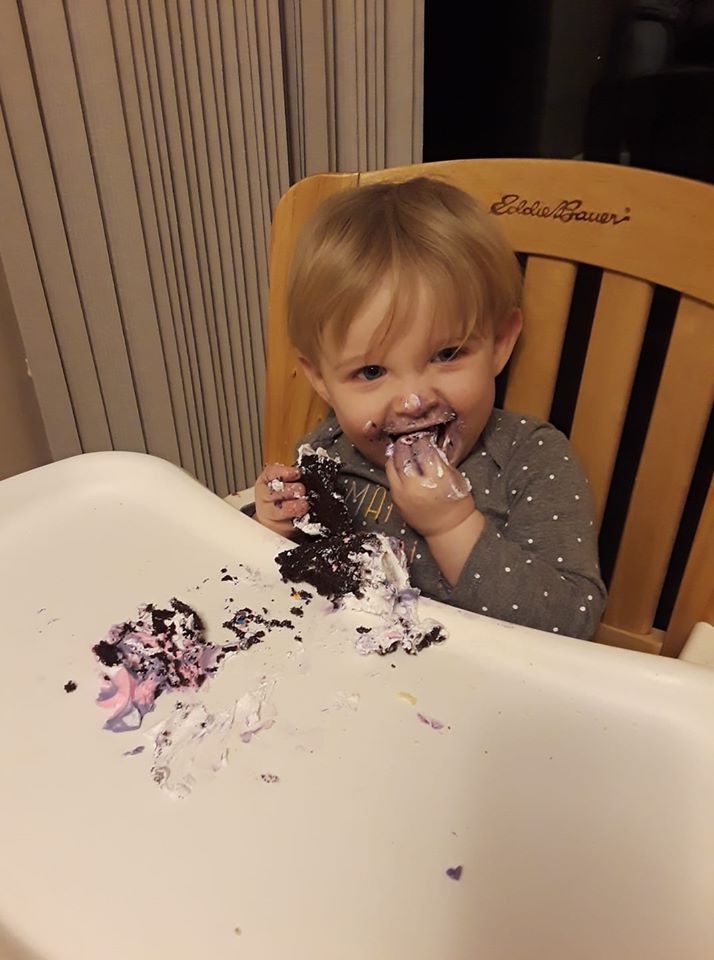
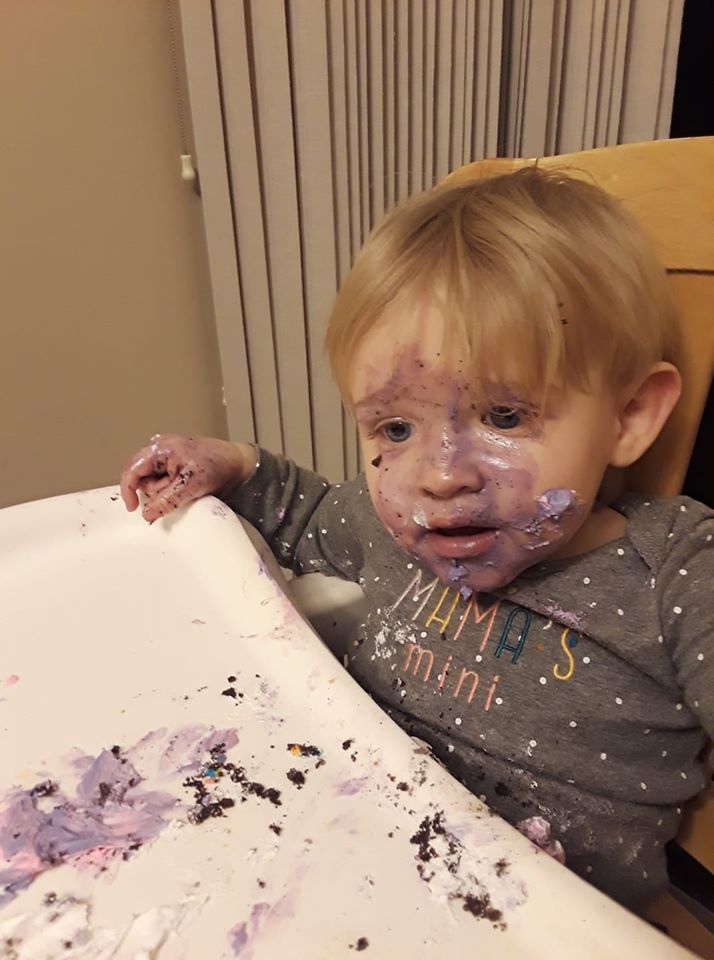
IL just had his first birthday on the 7th of December, and really enjoyed his cake, though he luckily didn’t eat enough to give himself a stomach ache like he did at D’s birthday party. He is walking and says “mama,” “dada,” “yeah,” “all done,” and I’m pretty darn sure he’s saying “thank you.” The doctor said that most 15 month olds don’t have that much of a vocabulary, so he’s progressing quite well.
Aaron is still enjoying his “new” job, and is working hard. He’s enjoying having a baby around the house immensely, as well as enjoying his older children as well. He likes playing video games, and listening to me ramble on while hypomanic.
I have finished 46 books this year despite the baby (mostly audiobooks while cleaning). My goal was 75. I have also learned to eat Brussels sprouts, which I’m eating as I type this letter. I have joined a fitness club and will start swimming as an exercise to help with the bursitis in my hip. The sauna is also a great help to the hip.
My parents are doing well, despite mom’s progressing Alzheimer’s. Dad is in physical therapy to help him walk better, and it’s helping a lot.
📖 75 books total (this is always my goal, reasonable or not)
🏃♀️Lose >40 pounds
🏃♀️Reduce to 1 can diet soda a day
🏃♀️ Drink 80oz water per day
🏃♀️ Have an average zero net calorie deficit (consumed – burned) weekly
🏃♀️Exercise >4 times per week
I’m going to use the blogging community to hold me accountable for my health program, so beginning next Friday, I will present a weekly table showing my progress. I know it’ll be a bit sketchy at first – lifestyle changes take a lot of work. But I figure accountability is the best way to deal with this. I already saw a dietitian to help me with my meal plans. 🙂 The table will hopefully look like this by the end of the year:
Calorie Deficit
Steps
Exercise
Weight
12/25/2020
0
6000
swim 500 meters, walk 2 miles
180
12/26/2020
0
6000
bike 5 miles, walk 2 miles
180
12/27/2020
0
6000
swim 500 meters, walk 2 miles
180
12/28/2020
0
4000
180
12/29/2020
0
6000
bike 5 miles, walk 2 miles
180
12/30/2020
0
6000
swim 500 meters, walk 2 miles
180
12/31/2020
0
6000
bike 5 miles, walk 2 miles
179
This assumes that my bursitis is not in the middle of a flare-up on those days, of course. 🙂
Hi all! I didn’t update you last Friday because I just didn’t feel like it. 🙂 But now I feel like it. It’s been a good week. D had her first big concert of the season (they have two big ones and several minor ones in which they’re singing with the women’s choir). Here she is:
IL had his first birthday, and we have a lovely video of him NOT smashing his smash cake. 🙂
I’ve been using my new membership at a gym once per day to go swimming and sit in the sauna as a way to heat my painful hip. Either it’s helping, or the hip was just meant to feel better, because it’s not as bad as it was. I might even cancel the physical therapy (which doesn’t start till December 30th) if it continues to improve.
Both kids and I are now in three separate book clubs that meet every other month starting in January. M is reading BFG, by Roald Dahl, and enjoying it immensely. D finished The One and Only Ivan, by Katherine Applegate in two days. I am reading Simon vs. the Homo sapiens Agenda, by Becky Albertalli. I’m hoping the kids will enjoy the book clubs. It took a bit of setting up to do for me.
I’ve gotten back into my reading groove, but have not finished any books this week. Currently working on:
Listening to The Age of Henry VIII as preparation for my read of the Wolf Hall trilogy next year. Buddy reading The New Jim Crow with a friend on LibraryThing. Wives and Daughters is my Serial Reader book. The Unspeakable Mind was an Edelweiss book a while back that I STILL haven’t finished (though I plan on catching up on my Netgalley and Edelweiss books next year).Maelstrom is a book by a friend of mine.
Invisible Women is about how women are missing from data collected and used to, say, create crash test dummies for cars, plan bus routes, design cell phones, etc. She points out that disparity in collecting data about women leads to dangerous situations for women. For instance, women are more likely to die in a car accident because seat-belts are designed to safely hold a man in place, and does not account for the difference in body composition and fat / lean mass location. The bus routes are planned around where men go to work, and not so much around shopping trips, which are more often performed by women. This creates very inconvenient travel for women.
The thoughts in this book were well-expressed, and interesting. I did feel at times that she was over-stating her case, but that is often true of books with a strong bias (in this case feminism). Not that I’m saying feminism is a bad bias, only that it IS a direction that can be leaned too heavily upon at times (like every other social issue). Overall, a highly suggested book for those interested in feminism.
This is the first linkup for History Nonfiction reviews for the 2020 History Nonfiction Reading Challenge, hosted by yours truly. Please put reviews in the comments section. As they arrive in the comments section, I will read them and then move them to the main text so that everyone can read them more easily.
This is the first linkup for Social Justice Book Reviews for the 2020 Social Justice Nonfiction Challenge, hosted by yours truly. Please put reviews in the comments section. As they arrive in the comments section, I will read them and then move them to the main text so that everyone can read them more easily.
Invisible Women, by Caroline Criado Perez – @Hibernator’s Library (Feminism)
Well, my week went well. D loved her birthday slumber party, despite the fact that only one guest was able to come.
I think IL had a stomach ache after all that cake.
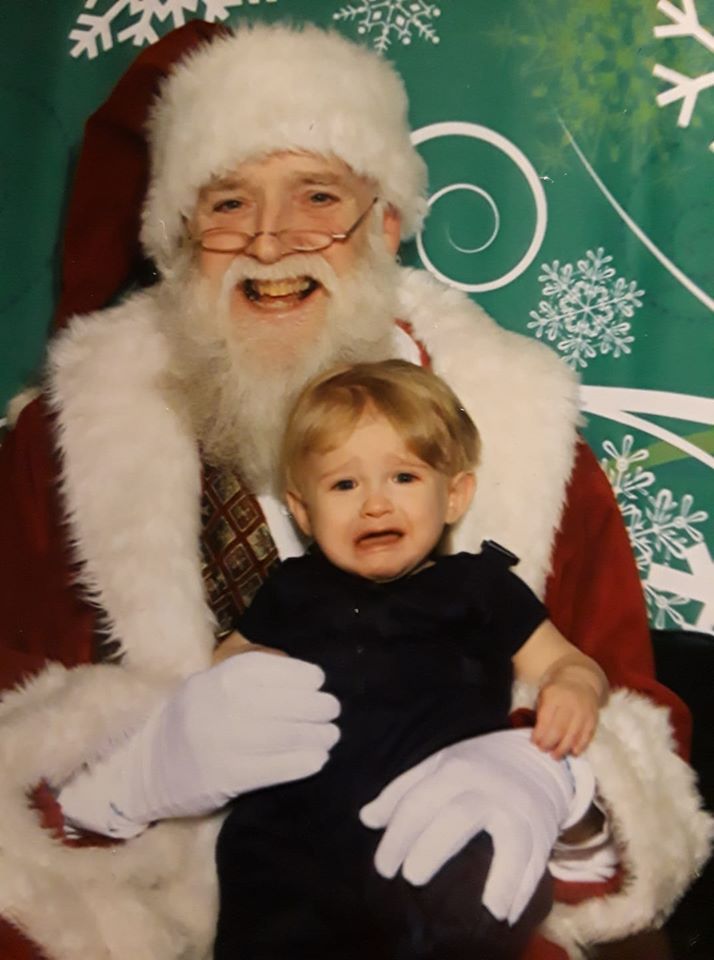
I also took IL to see a very special Santa – the stepfather of a life-long friend. He didn’t appreciate it very much.
I met up with an old friend that I hadn’t seen in 5 years, and I watched all three Hobbit movies with Aaron, who hadn’t seen them before. The kids did end up going on their trip with their mother, despite the storm and other unexpected difficulties, so I’m getting my readathon on. I’m hoping to get lots read this weekend. 🙂
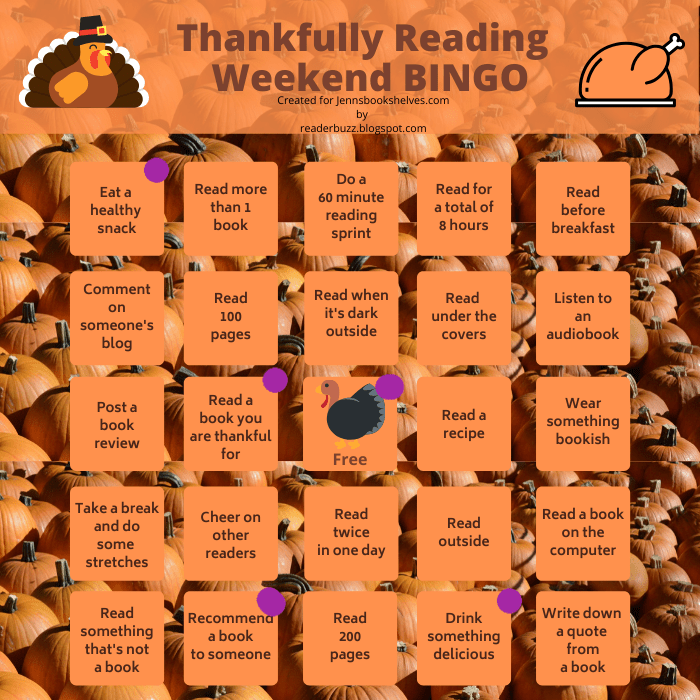
Deb at Readerbuzz is hosting an Thanksfully Reading Weekend BINGO, which I’m going to participate in. There’s a purple dot on all the stuff I’ve done so far, but I hope to get a lot more done through Sunday.
I had Thanksgiving dinner with my parents and Aaron. It was a small feast, but the turkey was delicious. Unfortunately, my car wouldn’t start on Thursday, and I had to have it towed today, thus missing my doctor appointment for my hip. I’ve had a hip problem ever since my pregnancy, and it seems to be getting much worse lately, so I was hoping I could get some physical therapy. I took a 2 mile walk on Thursday morning, and that loosened up the hip for a while, but made it hurt more in the evening. I will try taking walks more often and see if the exercise helps.
I wasn’t a productive reader this week, having difficulty concentrating. But I’m hoping next week as well as readathon weekend will be much more helpful.
Cheers! And I hope everyone had a good Thanksgiving.








 Hibernator's Library