Emerging from Post-Election Blues

Well, I’ve been absent from the blogging world since the election (besides my pre-scheduled Nonfiction November posts which I’d written earlier in the month). I’ve been experiencing some post-election blues. It’s hard with bipolar disorder to keep my mood within a reasonable range. I went from reading 6 books at once (slight hypomania) to having not picked up or listened to a book since the election. My Nonfiction November reads are definitely going to leak over into December now. 


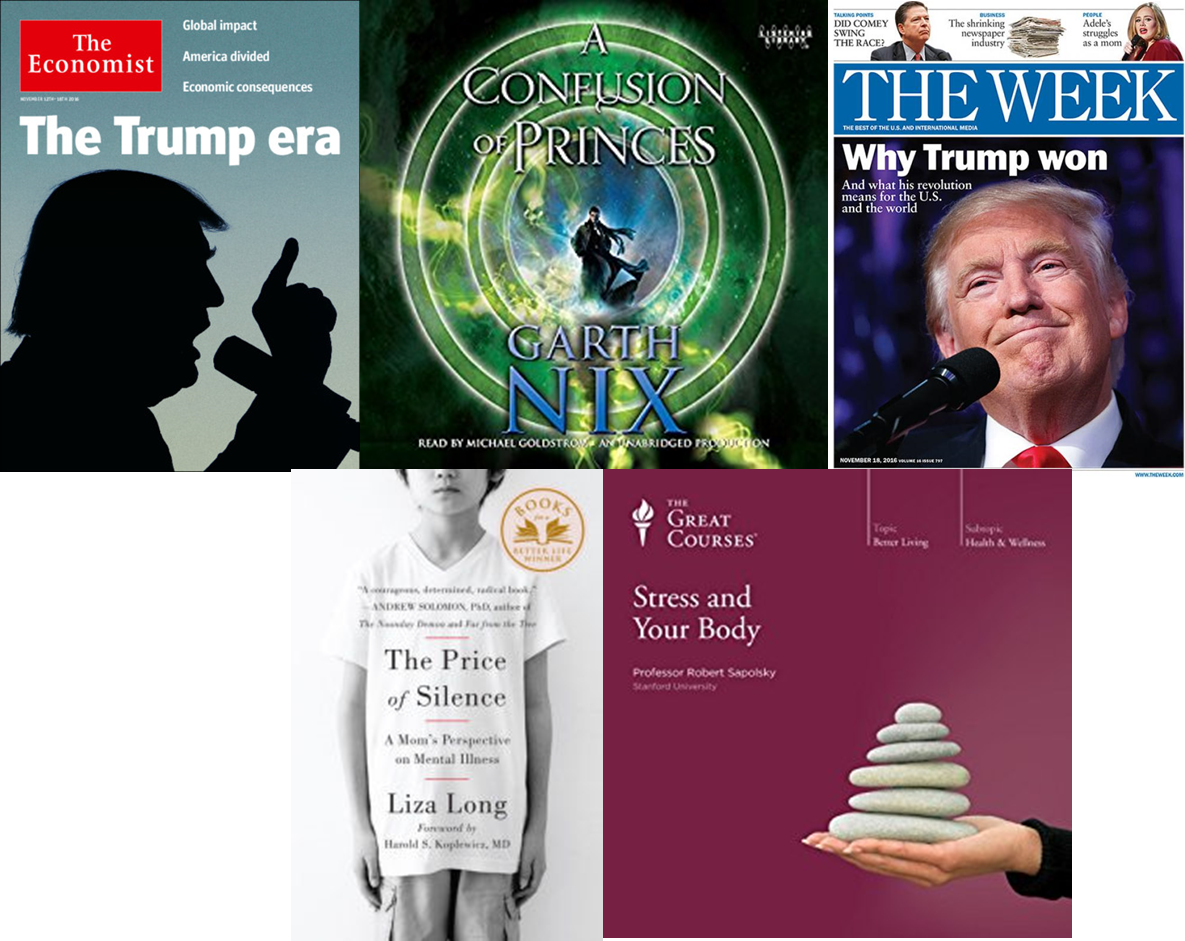
I’ve chosen to curb my post-election slump by picking up Harry Potter. Hopefully that will help out. I also subscribed to The Economist and The Week, both are news magazines which I have subscribed to on and off for years. In addition to reading the Bible cover-to-cover next year, I’ll be spending a lot of time reading the news. If I can dredge up the money and time, I might add in New Scientist, since I love that magazine. 

I know I’m dreadfully behind on answering comments and stopping by blogs. I will be out of town this weekend, but I will focus next week on catching up. 

Nonfiction November 2016: Nonfiction Book Pairings

This week’s Nonfiction November prompt, hosted by Sarah at Sarah’s Book Shelves, is to pair a nonfiction book with a fiction book. Here’s a couple of thoughts based on books that I’m reading right now: 

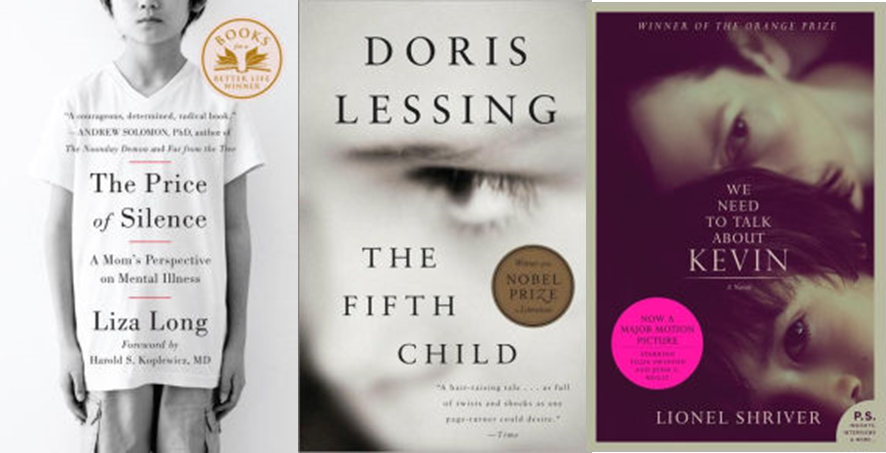
Last month I read The Fifth Child, by Doris Lessing. It’s about a family that has a violent “monster” of a child and a mother’s attempts to love that child. This book was horrifying. I can’t imagine what it would be like to have a child who is violent or psychopathic. Thus, I decided to read The Price of Silence, by Liza Long, which is part memoir part criticism of the mental health system in the US. Liza Long wrote the now “famous” article entitled “I am Adam Lanza’s Mother” about the difficulties of raising a child with a violent mental illness. I have not read, but would be interested in adding, We Need to Talk About Kevin, by Lionel Shriver, which is an epistolary novel about a mother’s sufferings after her son has committed an outrageously violent crime. 

This month I’m reading The Stand, by Stephen King, which is one of his most popular novels. It’s about a plague which kills all but a small population of people. I think it would be well-paired by non-fiction books about devastating diseases. I haven’t read either of these two books, but have heard they’re great. They are The Hot Zone, by Richard Preston, which is about the Ebola virus; and The Great Mortality, by John Kelly, which is about the black plague. My final fiction pairing would be Doomsday Book, by Connie Willis. I LOVED this book when I was a teenager. 

Nonfiction November: What are you looking for weekly wrap-up

Another great week has passed with Nonfiction November! This week we discussed what you’re looking for in nonfiction. This is a wrap-up post to give you an idea of what each person answered to this question. Be sure to check out all the blog posts, as well as participating in next week’s book pairing prompt hosted by Sarah @ Sarah’s Book Shelves.

Rachel @ Hibernator’s Library (me!) said that I tend to like well-researched “textbook-like” nonfiction

Lory @ The Emerald City describes how she  prefers to stay away from textbook-like books and focus on books that have more of a personal feel to them.

Heather @ Based on a True Story outlines 4 characteristics that keeps her interested in nonfiction: authors who’re writing about challenges that they’ve taken on for a certain period of time, authors who write about the travels they undertook while researching a book, books about food, and books about fighting injustice. 

Julie @ JulzReads reads about WWII, Romanovs, and Tudors, as well as space exploration, interesting biographies, mountain climbing adventures, Israel, and true crime.

Amanda @ A Bookshelf Monstrosity is not interested so much in topic as in the style in which the book is written. She enjoys the narrative writing style. 

Steph @ B.B. Toady describes what she’s looking for in a nonfiction book cover for a variety of non-fiction subjects. 

Nick @ One Catholic Life likes books that have practical uses like books about spirituality and writing. He also likes books about books. 

Stacey @ Unruly Reader shared a great cover from a nonfiction book that she loves: Chasing Water. 

Risa @ The Next Chapter reads mostly travelogues and memoirs and enjoys “lovely, descriptive, evocative prose.”

Katherine @ Writerly Reader  lists authors that she specifically looks for when choosing nonfiction books. 

Ellie @ Curiosity Killed the Bookworm likes books that explore niche subjects from many angles. 

Debbie Rodgers @ Exurbanis gives examples of some subtitles that drew her in. 

Katie @ Doing Dewey makes a good point about how the font on a title may affect a reader’s choice. 

Eva @ The Paperback Princess shows us five covers that she really likes. 

Jo Ann @ Lakeside Musing says that she tries not to let covers influence her, and gives examples of several good books, some with inspiring covers and some not. 

Sarah @  Sarah’s Book Shelves focuses on reading books that are vetted by trusted sources. 

Juliana @ ablankgarden reviewed Aphra Behn: the Incomparable Astrea, by Vita Sackville-West

Sharlene @ Real Life Reading likes books that are funny and those that have the author’s personality infused in the writing. 

 Kailana @ The Written World wants to learn something new – she’ll even try reading the drier stuff in order to learn. 

Amanda @ Gun in Act One loves books about feminism and biographies of awesome women.  

raidergirl3@ an adventure in reading gave examples of clever titles that drew her in.  

Death Note, by Tsugumi Ohba


When Ryuk the Shinigami (Japanese god of death) gets bored, he decides to liven up existence by dropping his Death Note on Earth. This Death Note has the power to kill whomever’s name is written in the book, as long as the person can visualize the face while writing it. A teenager named Light Yagami finds the book, and decides to use the book for good by killing murderers who have gotten away scott free. But he doesn’t account for the police force (including his father as assistant chief) teaming up with L, a mysterious crime-fighting genius. The law wants to keep the law in its own hands, and Light needs to outwit his pursuers. 


Well, at least, that’s what the first book is about. There are 12 of them altogether, and the series is thankfully finished. I could go on and on describing this twisty plot. This is my first manga and I enjoyed it on and off, though I can’t really compare it to other manga. I really loved the beginning and enjoyed the ending. The middle seemed to get a bit too twisty and had some I-can’t-believe-that-just-happened moments. Overall, an excellent choice. And I hear the anime is fantastic as well. 

What do you look for in nonfiction?

Welcome to the second week of Nonfiction November! This week’s topic is:

What are you looking for when you pick up a nonfiction book? Do you have a particular topic you’re attracted to? Do you have a particular writing style that works best? When you look at a nonfiction book, does the title or cover influence you? If so, share a title or cover which you find striking.

I try very hard to get a variety of non-fiction in my reading. Some years I succeed and some years I don’t. Last year I think I did a pretty good job. Until last week, I thought the topics that interested me the most are science and medicine – with an emphasis on empirical rather than personal. However, while I was answering last week’s question I realized something – those preferences have changed. Two of my top three favorite books are memoirs! And all three of them were about social awareness.Of course I already knew that social awareness was an important topic to me, but I hadn’t realized how much it had affected my reading choices. 

In the past, I have preferred books that are researched so well they almost read like a textbook. And I still have a leaning towards the empirical rather than the personal, though memoirs on certain subjects (mental illness, for instance) are more and more appealing to me. I read so many empirical books about mental illness that I’m afraid I’m losing the people that are affected by the illnesses. Same for social justice issues. I can read textbook information all I want, but if I don’t read memoirs, then I’ll never know how people feel about these things – only what they think about them. 

And YES, the cover and title are a huge influence over me. Ever hear the phrase “don’t judge a book by it’s cover?” Of course you have. And I do. I think the cover and title should be chosen carefully to indicate what sort of book is inside. It is the publisher’s first line of attack in getting someone to pick up the book and read the blurb in the first place. One book that I picked up mainly because of the cover and title was Severed, by Frances Larson: 

What about you? What are you looking for in your nonfiction? Comment below or include a link to your post in the linky:


http://www.blenza.com/linkies/easylink.php?owner=roachalady&postid=30Oct2016&meme=12654

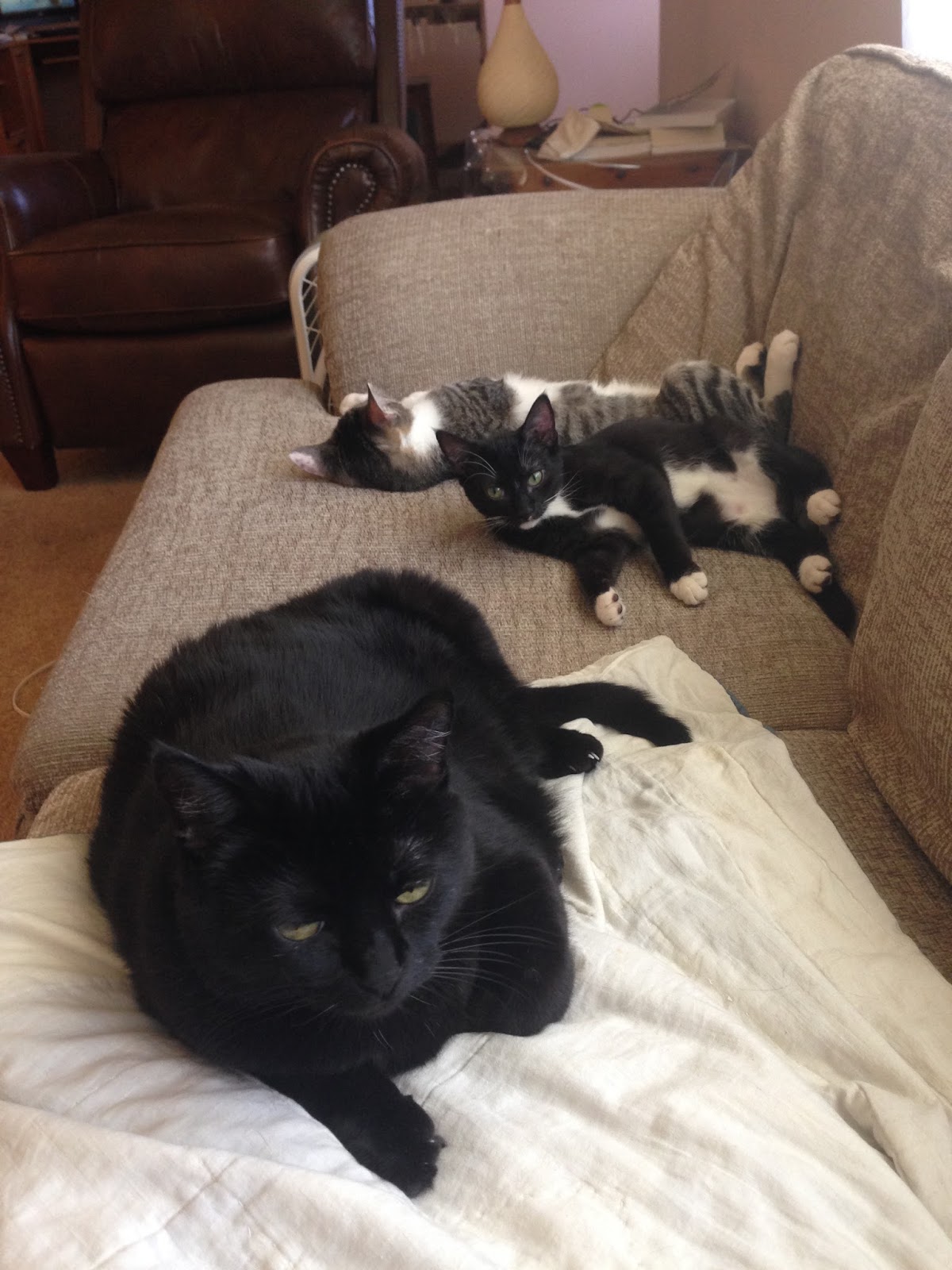
Reading with the Cats

This week was a good one. I didn’t do a lot of stuff, so I had lots of extra time to read. I didn’t do anything for Halloween since I’d expected to work (in fact, the electricity went out and I got to leave work early, but I was tired when I got home and used the extra time to relax). I’m looking forward to election day coming up. This has been an exhausting election season! I hope you all take the time to have your voice heard on Tuesday. Vote!


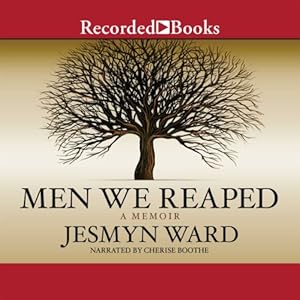
On the blog: I reviewed two books this week: Stiletto by Daniel O’Malley and Men We Reaped by Jesmyn Ward. I also kicked off Nonfiction November by describing my year in nonfiction. Check it out, it has a lovely picture of all the books I read! 

Books Completed: In the rather stubborn desire to complete my goal of 75 books this year, I’ve added graphic novels to my daily reading. That’ll probably continue into next year since the Bible group read will significantly reduce the number of other books I get read. And how can I make a goal of less than 75? I finished the series Chi’s Sweet Home, by Konami Kanata, and continued reading the series Bone, by Jeff Smith. 

Acquired: Despite my intent to use one of my last two Audible credits to buy White Trash, by Nancy Isenberg to supplement my Nonfiction November reading, I spent both credits on the 2-for-1 sale. Good job Rachel. But I got some good books. White Trash will have to wait. 

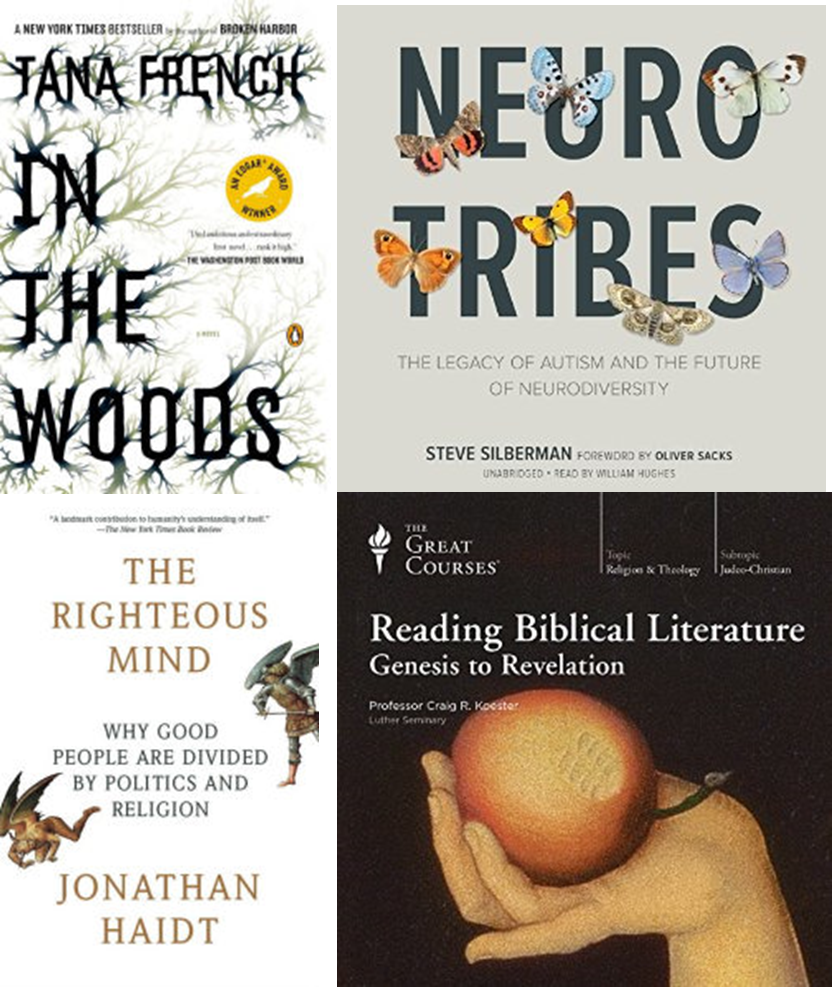
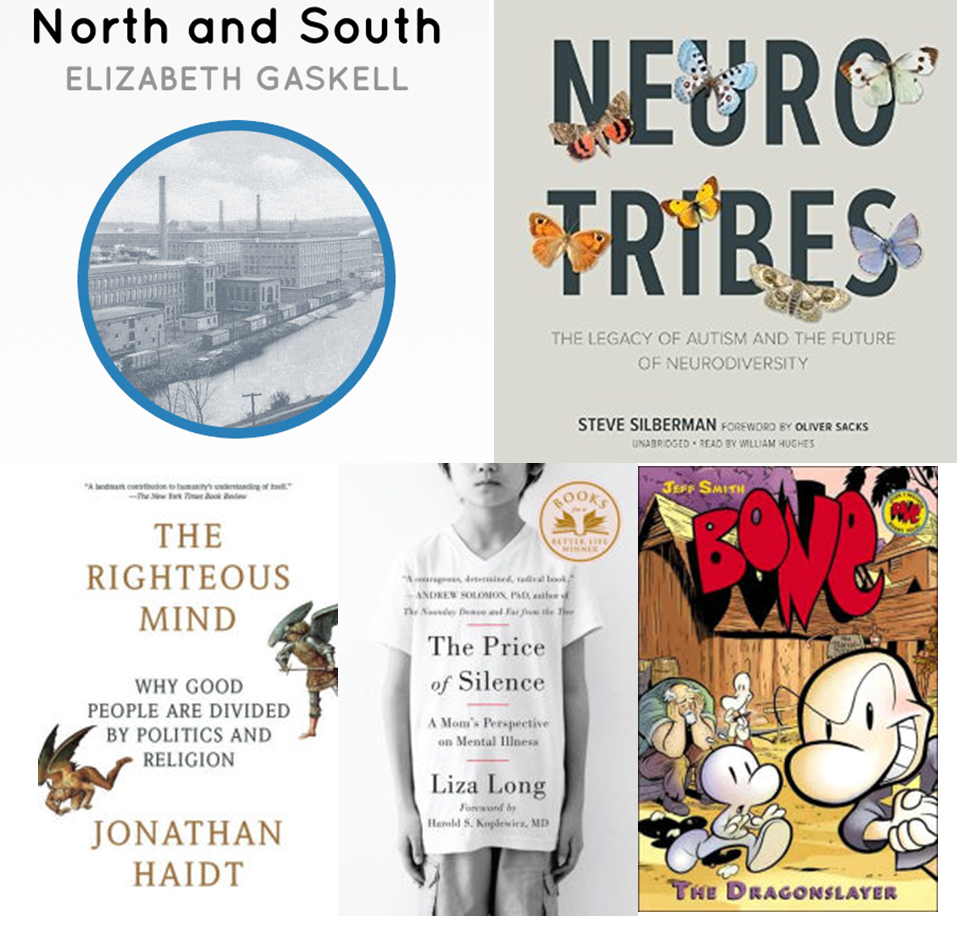
Currently Reading: North and South, by Elizabeth Gaskell is my current serial read. I’m listening to Neurotribes, by Steve Silberman, but have set aside The Stand, by Stephen King for December when I won’t be trying to pack in as much nonfiction. I’m also enjoying The Righteous Mind, by Jonathan Haidt, and The Price of Silence, by Liza Long. The graphic novel I’m currently working on is Bone: Volume 4

Men We Reaped, by Jesmyn Ward

First of all, I will have difficulty in this review expressing how good this book is. It is a memoir about the deaths of several young black men that grew up in a lower socioeconomic class. It shows the difficulties of navigating in a world which most of the readers are unfamiliar with. In Men We Reaped, Ward elicits grief and frustration in the readers which makes it a very difficult book to read. I teared up a few times. Definitely a must read for anyone interested in social issues or emotional memoirs. 


This is a final discussion post for the Social Justice Bookclub hosted by Kerry at Entomology of a Bookworm

1) Men We Reaped is described as a memoir. While it draws on Ward’s personal experiences, it also explores themes much larger than one woman’s life. Do you agree with this genre classification?

I would call this book part memoir part social awareness genre. In fact, I think taking away the title of “memoir” would subtract from the power of the book. The genre “memoir” suggests that a book is very personal. And describing these deaths was very, very personal to Jesmyn Ward. That much was clear from the narrative. 

2) In what ways do you think Ward’s personal approach to this subject makes Men We Reaped stand out from other books that address similar issues? Did this make the book appeal to you more or less, or were you indifferent?

I admit that I don’t read a lot of memoirs. I’m not sure why except that I like that style that many people reject: the “sounds-like-a-textbook” one. The reason for that is because I prefer the information to be well-researched and accurate. Most books I read on similar issues, therefore, do not have this personal feeling to them. They sometimes try to add to the personality by including stories about people they’ve interviewed, but this is not the same thing as listening to a first-hand account. On the other hand, it was the personal aspect of this book which made it so powerful. Therefore I’d say I’m ambivalent to the memoir format. 

3) In more than one instance throughout the text, Ward writes about feeling silenced and voiceless in the face of overwhelming systems of inequality. Do you think Men We Reaped changes that position by giving her a voice?

It does and it doesn’t. Ward is given a voice because she “rose above” her background into a situation in which she could have a voice. She was talented, intelligent, and lucky. There are so many people out there without these gifts and although they are not able to express themselves as clearly and fully as Ward, they still deserve to be heard. 

4) Though Men We Reaped is about the loss of young black male life, it is also, in many ways, about the black women left to stand witness to the lives and deaths of those in their community. How does this gendered perspective change the story of the high mortality rate among young men of color?

I think most books on this subject tend to focus on the black males because they are the ones that are dying and imprisoned in droves. This book is special because it allows you to what’s going on in the mind of one female survivor of these tragedies. It gives one voice to the thousands of women out there who are surviving this messy system. 

5) If you could ask Jesmyn Ward any one question about this book and/or the experiences she recounts within it, what would it be?

I already gave a partial answer to this question based on my own thoughts on this subject. But I would ask “How much of your success is due to luck? And how many intelligent, talented women and men do you think are out there who could have been as successful, but didn’t find the connections or resources to “rise above?”
Stiletto, by Daniel O’Malley

Stiletto is the sequel to the fantastic book The Rook, by Daniel O’Malley, and the review contains spoilers for the first book. In Stiletto, Myfanwy Thomas’ truce with their enemies the Grafters is beginning to solidify, but the anger and fear on both sides is difficult to dispel. However, they soon realize they have a mutual enemy to fight. 

Instead of focusing on Myfanwy Thomas, as The Rook does, Stiletto jumps between several main characters. In fact, Myfanwy is rather a minor character in this second book. Despite my interest in the other characters, I was missing Myfanwy’s unique perspective on things. Instead of explaining the Checquy through the eyes of an amnesiac learning the ropes, this book went off on rather dull divergences about the history of the Checquy and the Grafters. This made the book rather longer than it ought to have been. That’s added to minor subplots and incidents which could easily have been left out of the book. I don’t mean to say that I didn’t enjoy Stiletto, only that I enjoyed it a lot less than The Rook, and feel that it would have been a better novel if shorter. 

Nonfiction November: My Year in Nonfiction


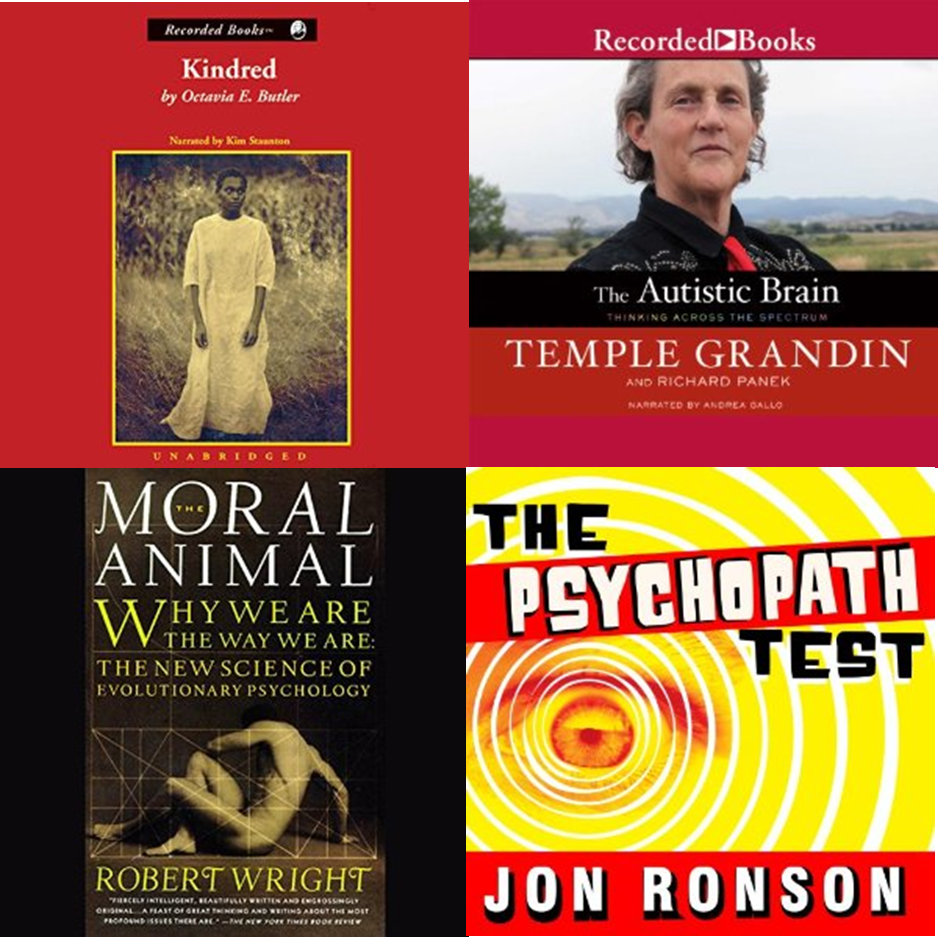
The first prompt in Nonfiction November is to relay my year in nonfiction. Well, there it is, above. Those are all the nonfiction books I completed since last Nonfiction November. Of those, my top 3, in no particular order are: Half the Sky, by Sheryl DuWunn; Men We Reaped, by Jesmyn Ward; and Wild Swans by Jung Chang.


Half the Sky is about the world-wide struggles of women for equality. We learn about human trafficking, poor healthcare during childbirth, and inequality in education. The authors educate us on what we can do to help the situation and why such help is needed. 

Men We Reaped is a memoir about several black men in Jesmyn Ward’s life (including her brother) who died too young. It describes the difficulties of living as a minority in a lower socioeconomic class and how these difficulties can lead to premature death and destruction of families. 

Wild Swans is a biography / memoir about three generations of women in Jung Chang’s family and how they survived the war and uprising of Communism in China. 

Interestingly, all three of my favorite books are on social awareness topics. I’m learning something about myself as I type this. 🙂 The two topics that I wish I had read more of last year are politics and medicine. 

What are your favorite nonfiction books of last year? 

Sense and Sensibility and Payphones

I thought I’d share a picture of this relic I happened to find. Just in case you’re strolling down the intersection of Dale and Lexington in Roseville one night, need a phone, don’t have yours, happen to remember the number you’re calling, and have a quarter with which to make that call. 

This was a good week. I went to Sense and Sensibility with my mom and best friend – and we loved it. It was the Kate Hamill adaptation so Elinor was a bit more lively than I’m used to. But it was a fantastic production and I’m so glad I got to go. If I had the money, I’d do it again this week! But, alas!

Today I was planning on going to a corn maze with my boyfriend and nephew but it seems that plan is out (it’s supposed to rain). So it’ll be a lazy day for me. 
I have fantastic news. I was beginning to think that Nonfiction November wasn’t going to happen this year, but Katie at Doing Dewey set it up last minute. For more information, check out her post

This week I finished volumes 4-9 of Chi’s Sweet Home by Kanata Konami, the last two volumes (11-12) of Death Note by Tsugumi Ohba, Gods Behaving Badly by Marie Phillips, and Men We Reaped by Jesmyn Ward. 

I set aside Kugel’s How to Read the Bible in favor of The Righteous Mind by Jonathan Haidt, which I’m going to try to finish by the end of November (no bad feelings if I can’t). Haidt’s book is about the psychological and moral reasons behind the polarization of America. I’m also reading The Price of Silence by Liza Long, which is about the state of the mental health system in America, and Neurotribes by Steve Silberman, which is about the history and present of Autism. (I thought I’d had a nice variety for Nonfiction November, but upon typing this up all three are about psychology and social awareness. Sigh.) Neurotribes is a November readalong over at Doing Dewey. You’re welcome to join in. My real life book club choice is The Stand by Stephen King, and my serial read is North and South by Elizabeth Gaskell.