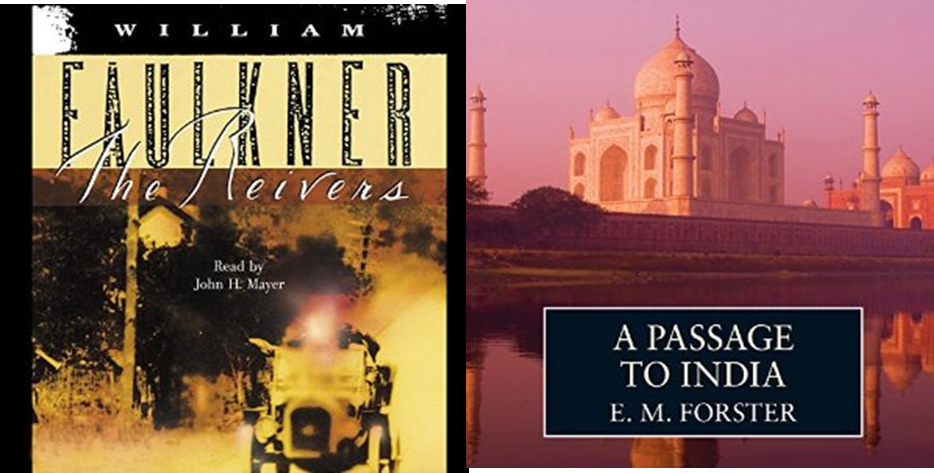
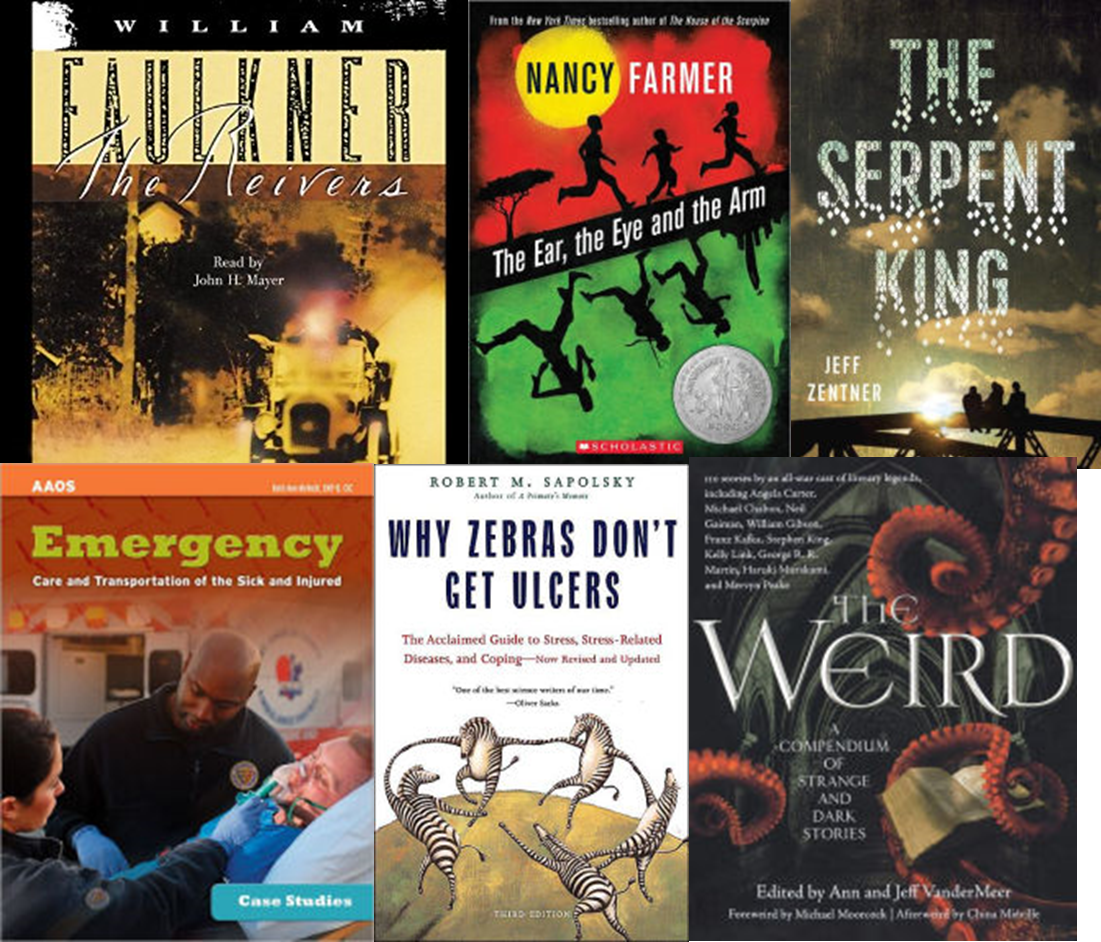
The Reivers, by William Faulkner

The Reivers, by William Faulkner
Narrated by John H. Mayer
In this Pulitzer Prize winning novel, 11 year old Lucas Priest is talked into stealing his grandpa’s car by his family friend Boon Hogganbeck. One of the Priest family retainers manages to sneak into the car and comes along for the ride. The trio make their way to Memphis, where Boon has a girl he’d like to court. Along the way, they lose the car, gain a racehorse, and generally get in trouble. 

This is supposed to be one of Faulkner’s more light-hearted and easy-to-read books, and I agree with that assessment. Despite its serious topic, it has a subtle humor throughout. The plot tends to be pretty loose and easy to follow. The characters are strong and endearing. Overall, I found the book quite enjoyable and am pleased that I chose this Faulkner book to read, rather that one of his heavier books. I do want to read his heavier books, but sometimes it’s nice just to read something light-hearted by one of the best American authors. 

Little House on the Prairie, by Laura Ingalls Wilder

Little House on the Prairie, by Laura Ingalls Wilder

The area around the Ingalls’ little house in the big woods is getting crowded, and Pa decides to hop in the wagon and head off to “Indian country” in Kansas. The family finds a nice place to settle and spends months building a home there. But just as things are beginning to settle down to a normal life, they begin to have troubles with the natives in the area, who are angry about all the settlers moving into their territory. 

This plot was a lot less passive than the story from Little House in the Big Woods, and as a result I enjoyed it a good deal more. This is my first time reading the series and it’s exciting to experience the story that so many people rave about. Maybe I’ll even check out the TV series, though I hear it’s nothing like the books. 

One thing I had trouble with in this story was the handling of the Native Americans and their culture. Obviously, this book was written in a time when there was a lot of tension between Natives and white settlers, and the language and attitude expressed in Little House was acceptable. However, this may be one of those books that I would discuss with a young child if they were reading it. I don’t believe in telling a child not to read a book, but I do believe in discussing certain points of books with children if it’s possible for them to misunderstand the context. This is definitely one of those books. 

In the long run, though, I’m really enjoying this series and am eager to move on to the next book. 


In which Rachel goes on a ride-along with a fire department


This was a busy week in my world. I spent a good deal of this week studying for an upcoming exam in my EMT class. I also spent some time with a friend who’s going through some hard times. Due to a post by Bryan over at Still Unfinished, I decided that during Lent I would dedicate one more day per week volunteering at the crisis hotline – that makes two days a week during Lent. I also had a ride-along with a fire department on Thursday. That was loads of fun – meeting the fire fighters (modern day heroes) and going on medical runs with them. Most of the runs were to nursing homes,  but we had one home visit. Wish I could share more, but due to privacy laws I can’t. But I’m very grateful to the guys that made the run a great experience.

Exercising goals

As for exercising I didn’t get as much done as I would have wished. I exercised a couple of days, but was incredibly busy on other days and was unable to make it in to the fitness center. There’s always today, right?

Reluctant Romantic Challenge

As many of you know, I’m reading modernist literature for the Reluctant Romantic Challenge hosted by Katie at Doing Dewey. This week’s update questions are

Have you read any books in the genre you’re trying before this month?

According to a tag search on LibraryThing, I’ve previously read only one book considered modernist – The Trial, by Franz Kafka. I was surprised when I discovered this deficiency, and that’s why I chose modernism as this month’s theme.  

What books have you read in this genre so far this month?

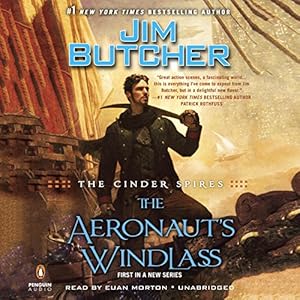
So far, I’ve read Mrs. Dalloway, by Virginia Woolf; A Passage to India, by E. M. Forster; and The Reivers, by William Faulkner. All were very enjoyable books, and I’ll get the reviews out soon.

How is your experience with this genre this month going?

I have decided that three works of modernist literature is enough for me this month. I fried my brain. But I’m proud of myself for the effort I made to dedicate the month to modernist literature.


Reviews

Aeronaut’s Windlass, by Jim Butcher


Currently Reading


Yes, I know that list hasn’t changed much in the last few weeks, but I’m doing the best that I can!


Completed


Acquired


A Midsummer Night #nofilter is a rewriting of Shakespeare’s A Midsummer Night’s Dream in teenage texting format. My dad bought it for me because he thought it was funny. I’ll probably read it next week. Unfair was an Audible Daily Deal. It is about the failings of America’s justice system, which is a subject I’m very interested in right now. Persuasion and Moon over Soho I bought because I’ve decided that I’ve fried my brain on modernist literature this month, and I needed something lighter. But I couldn’t decide WHAT I wanted to read. The Cresswell Plot and Holding Smoke are both granted wishes from Disney-Hyperion publishing group through NetGalley. I had intended on not reading any more ARCs for a while, but I can’t resist signing up for wishes, which are supposed to be really hard to get. I’ve been granted 3 wishes this month, though, so the hard-to-get theory is going out the window.
This update is posted to Stacking the Shelves @Tynga’sReviewsSunday Salon, Sunday Post @CaffeinatedBookReviewer,   and It’s Monday What are You Reading @BookDate

Aeronaut’s Windlass, by Jim Butcher

The Aeronaut’s Windlass, by Jim Butcher
Narrated by Euan Morton
Captain Grimm is a dedicated airship captain who has fallen into disrepute. Instead of in its military, he serves Spire Aurora by catching pirate ships on his free ship named Predator. However, when Aurora is attacked by a neighboring spire, he must take on a more dangerous mission looking for the enemy who may be lurking within Spire Aurora’s ranks. Besides the grim captain, the mission includes two feisty young women, a loyal (but disdainful) cat, and a young warrior of the guard. 

This is a fantastic addition to Butcher’s repertoire. Of his books, I’ve only read the Dresden ones, and then only a few, but I’ve loved every book by Butcher that I’ve ever read. This is no exception. It has adventure, fantasy, steampunk, science fiction and cats. How can that ever be a bad combination? I look forward to the next book in this series, and am now sorely tempted to pick up another Butcher book very, very soon.  


In which Rachel only reads one book


This week was pretty uneventful. The Super Bowl party was fun, but of course the Panthers lost. My nephew, who picked the Broncos because they were ahead when we got to the party, had a fun time ribbing me throughout the game. Monday I had insurance problems – they wouldn’t fill my prescription because the dose was too high, but I need that dose to keep stable. I hate insurance. Tuesday I bought some new running shoes – I’ve decided to start exercising since I’m unemployed now and won’t get the exercise I’ve been getting at work. Wow am I out of shape. I intended to bike for an hour and then run for an hour. I ended up biking for half an hour and then heading home. But at least I wasn’t in physical pain the next day. Thursday I had tax problems – apparently someone messed up my W-4, I’m guessing my company since I didn’t change it from last year, so I owe $700. Perfect. I just quit my job, too. I’m hoping I messed up when filling out the form. Might cough up the money to get them professionally done. I only got ONE book read! How is that even possible? This coming week I’m looking forward to an EMT ridealong with a local fire department, I’ll let you know how that goes. 

Reluctant Romantic Challenge

I’m going to throw in my Reluctant Romantic post into my update post since my answer is so short. This week’s Reluctant Romantic question is: why have you not read very much of this genre in the past? As you may or may not know, I’m reading modernist books this month for the Reluctant Romantic challenge over at Doing Dewey. So far I’ve finished Mrs. Dalloway, by Virginia Woolf; and Passage to India, by E. M. Forster. I’ve enjoyed both books. 

The reason I haven’t read very much in the past is not because I have any negative perceptions of the genre or that I’ve had a bad experience reading it, but only because I’ve expected it to be heavy reading (which it is) and I just haven’t gotten around to it. I’m glad I had this opportunity to challenge myself.


Lectures: 


Posts: 


Currently Reading: 


Completed: 


Watched: 


Acquired: 
One Line A Day is a 5-year one-line daily journal given to me by a friend. The Game of Life will be given to my nephew for his birthday. Passage to India will be my next audiobook. Shadow Magic is actually a granted wish from NetGalley (yea!). Incarceration Nations was an impulse purchase that I’ll hopefully read next month – I’m interested in prison right now because of my new volunteer experience with the recently paroled convicts. And I figured I needed a couple of practice tests for studying for the NREMT (the national certification exam for becoming an EMT).


This update is posted to Stacking the Shelves @Tynga’sReviewsSunday Salon, Sunday Post @CaffeinatedBookReviewer,   and It’s Monday What are You Reading @BookDate

You Were Here, by Cori McCarthy

You Were Here, by Cori McCarthy
Release date March 1st, 2016
This book was given to me by the publisher
through NetGalley in exchange for a fair and honest review

In order to deal with the psychological grief of her brother dying, Jaycee is on a quest to rediscover him by reliving his dangerous stunts. When a group of erstwhile friends gets sucked into her antics, Jaycee learns love and forgiveness. 


Let me start out by saying this is the best fiction work on grief that I have ever experienced. McCarthy is clearly someone who understands the power of grief. It seems like everyone in the story is experiencing grief, yet they are all coping in different ways. What’s more most of the characters are incredibly wise (perhaps a little too wise to be real). At one point, Jaycee demands of her new old friend whether she should change her grieving process to not weird people out – how many adults understand that their grief is a personal process, and that it is not wrong to cope the way they do, even if it emotionally or physically healthy for them at that moment (i.e. it is not wrong to experience grief, though sometimes they must be protected from themselves). 

This book is gritty, and at times brutally honest. I would recommend this book to any teenager who wants to understand others’ pain, though I would suggest caution to people who are depressed or going through grief at the moment. There were times while reading this book that I reexperienced difficult moments for myself; however, that is what made the book so powerful to me. This book deserves 6 stars, but my rating system doesn’t go that far up. 

Among Murderers, by Sabine Heinlein

Among Murderers: Life After Prison
written by Sabine Heinlein
narrated by Cassandra Campbell

In Among Murderers, Heinlein follows three convicted murders in the years immediately after their release. The blurb describes it as: 

What is it like for a convicted murderer who has spent decades behind bars to suddenly find himself released into a world he barely recognizes? What is it like to start over from nothing? To answer these questions Sabine Heinlein followed the everyday lives and emotional struggles of Angel Ramos and his friends Bruce and Adam – three men convicted of some of society’s most heinous crimes – as they return to the free world.


However, this isn’t only a book about the difficulties of reintegrating – like finding a job, finding a home, dating, and figuring out how to live in a world that has matured 30 years while you were locked away – it is mainly comprised of doing research into the murderers’ backgrounds in order to give an adequate description of their crimes, who they were, who they have become, and what factors have influenced their lives. This gives the book a personal flavor – it encourages compassion and understanding for the three men and their troubles, without totally discouraging your caution in dealing with such men. 

I’m going to soon be volunteering with people recently paroled, helping them to reintegrate and to reduce their chance of recidivism. I thought this book would be helpful and interesting. Although it spent a little less time focusing on current troubles of the three men, this book was incredibly helpful. 

Genghis Khan and the Making of the Modern World, by Jack Weatherford

Genghis Khan and the Making of the Modern World,
written by Jack Weatherford
narrated by Jonathan Davis
This book wasn’t quite what I expected – I figured it would be about Genghis Khan’s life, but it was actually just as much about how his legacy formed the modern world. Which, I must say, was a delightful surprise. 


The first half of the book chronicled Genghis Khan’s life, starting with a very interesting childhood. I loved how much detail was included about Genghis Khan’s strong-willed mother. She was kidnapped from her first husband soon after their marriage, and was awarded to her captor, Genghis Khan’s father. But she didn’t just submit. She helped her first husband escape by letting herself be captured. Then, when Genghis Kahn’s father suddenly died, the whole family was left to die by the rest of their group. But Genghis Kahn’s mother had different plans. She kept the family alive against all odds. She was even willing to marry her step-son (only one year older than her own son) to make the family cohesive. But this is when Genghis Kahn’s conquering spirit fired up – he didn’t want his mother marrying his brother, because then his brother’s place as head-of-household would be solidified. Instead, he encouraged his younger brother to shoot the elder. Interestingly, when he formed universal laws for his empire later in his life, such intra-family killings were outlawed. 

After the incident with his brother, the narrative began to follow Genghis Khan rather than his parents. What I found interesting about this part of the book was that he was not portrayed as a conquering tyrant as he generally is in modern media. He was portrayed as cunning and wise. His laws were fair, reasonable, and well-thought-out. There was only very a little talk of battle strategy and history in this book. I had wished to have more of such information, but I can always read a different biography of Genghis Kahn. The purpose of Weatherford’s book was not to chronicle a history of Genghis Khan’s wars but to give a previously unseen glimpse into Genghis’ private life, personality, and how his legacy changed the world.

One thing that I found particularly wise about Genghis Kahn was his realization that nepotism does not necessarily lead to the most devoted followers. Promoting one’s family first was common among his people, so Genghis Kahn was breaking cultural norms when he promoted by loyalty first. And it was amazing what kind of loyalty he inspired. He must have been a very charismatic man. 

The final part of the book was about Genghis Kahn’s legacy. How his universal laws shaped the area even after they were neglected by his descendants. How his descendants spread around the world and made their own little kingdoms. How the trade routes he created became the major East-to-West connection for centuries – a connection that Columbus was trying to rebuild when he attempted to sail around the world to India. 

Truly a fascinating read. 

In Which Rachel Has her Last Day of Work

Yay! Friday was my last day of being a manager. I just can’t wait to taste the freedom of not having to tell people what to do anymore! And I’m really looking forward to the spare time with which to study. Otherwise this week was uneventful. We had a snowstorm which made the drive home 3 times the length it should have been, and I had to shovel knee-high snow out of my driveway in the morning, but at least it was light snow. Sunday I’m looking forward to the Super Bowl. My nephew really wanted to go to a party, so I hunted one down and we’ll have a good time. I’m rooting for the Panthers. Not because I know what I’m talking about, but because I’m a cat-person. And panthers are cool. I don’t know who my 12 year old nephew is rooting for yet. 

P. S. I know the Panthers lost. I wrote this on Friday.


Lectures


Posts


Currently Reading


Completed


Watched


Acquired
This update is posted to Stacking the Shelves @Tynga’sReviewsSunday Salon, Sunday Post @CaffeinatedBookReviewer,   and It’s Monday What are You Reading @BookDate

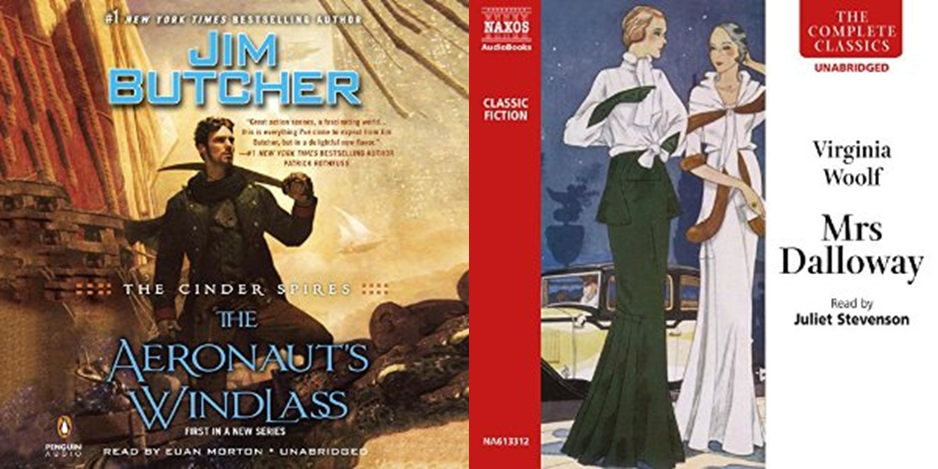
Mrs. Dalloway, by Virginia Woolf

Mrs. Dalloway, by Virginia Woolf
Narrated by Juliet Stevenson

Spoilers below.

This experimental book takes place in one day in June 1923, as Clarissa Dalloway prepares for and then gives a very successful high society party. In parallel, we follow the story of Septimus Smith, who has shell shock after witnessing the death of his friend during the war.

This was a very difficult book to listen to in audio, and I suspect it is equally difficult to read. The problem is that it is omniscient stream-of-thought and since it jumps around from character to character it is not always clear who is doing the thinking. You have to guess from context which person is thinking, and even after you’ve guessed that it’s not always clear (due to pronouns without antecedents) whether one character is thinking, or the other character is thinking about the first character. I had to read a description of the plot before I was able to get a clear version of the story, and after that my listening went much more smoothly, and I was able to understand what was going on.

There are a lot of ways to analyze this book. I could analyze the (paleo)modernist philosophy which rejects realism and rewrites, parodies, and incorporates ancient classical literature. (For a definition of paleomodernism, check out lecture 1 summary of the Literary Modernist Teaching Company course).  But I’m not yet comfortable enough with the philosophy to give an accurate interpretation. (This month is dedicated to modernist literature for the Reluctant Romantic Challenge, hosted by Katie at Doing Dewey; however, I have not yet learned enough about the genre. This is my first modernist review.)

Another way of analyzing Mrs. Dalloway is more straightforward. Clarissa and Septimus are parallel characters who respond to their predicament with opposite actions. They are both very lonely and isolated people. Clarissa is lonely despite being surrounded by people. She recognizes the false sincerity of the friends she invites to her party. Her husband is unable to tell her he loves her. Her daughter is being “stolen away” by a religious fanatic. (That’s one thing I do know about modernism, they often reject religion.) During the course of the day, three former flames, all rejected by her, appear – seemingly out of nowhere. She spends a lot of time thinking about why she rejected them. In fact, she seems quite obsessed with the past and ignores the present. 

Septimus, on the other hand, feels isolated because he is suffering from a severe form of “shell shock” (now called PTSD) after losing a friend in the war. He, likewise focuses more on the past than on the present. Unlike Clarissa, who rejected people who could have been too consuming or controlling and thus ended up with insipid people in her life, Septimus is surrounded by control – mainly by his doctors who don’t understand what is wrong with him. Another difference is that Septimus commits suicide at the end. Although Clarissa has contemplated suicide, when she hears about the suicide of this young stranger, she realizes how much she loves life despite the loneliness. 

I imagine this contrast of parallel characters appears frequently in ancient classical literature, though I can’t think of specific examples since this, too, is a genre I am woefully under-read in.