My Year in Nonfiction – Nonfiction November 2015

This month I will be participating in Nonfiction November, hosted by Doing Dewey, Sophisticated Dorkiness, I’m Lost in Books, and Regular Rumination. In this event, people will be reading and blogging about nonfiction. The event kick-off question is hosted by Sophisticated Dorkiness. 

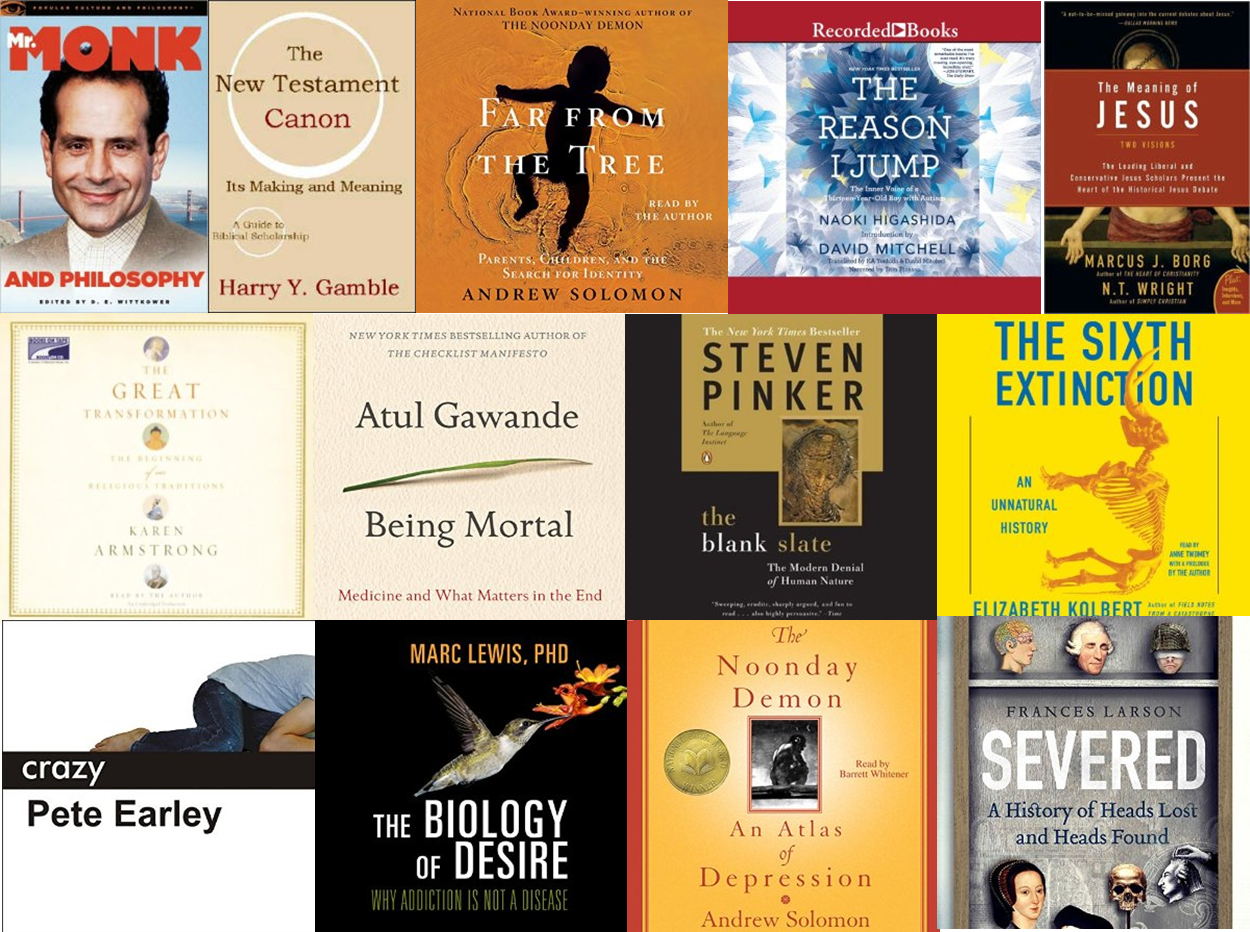
To date this year, I have read or listened to 51 books, 13 of which were nonfiction (unless you count the Epic of Gilgamesh, of which I’ve read three different translations – hopefully to be reviewed on Friday). So approximately a quarter of my books were nonfiction. 


My favorite nonfiction book of the year would have to be Severed, by Frances Larson. Although all of these books were fantastic , I guess that’s the one that really stands out to me. 


The nonfiction book (of these) that I have recommended the most is Being Mortal, by Atul Gawande. This is actually the book that inspired me to give up my fruitless job search and go back to school to be a physician’s assistant. Of course, I’m far from PA school at the moment, but I’m working my way there slowly. Unfortunately, this book was read before I decided to start up a new blog. So there’s no review.

One topic in nonfiction that I would like to read more of is social justice – especially in terms of mass incarceration, and the horrifying ratios of mentally ill or minority inmates compared to “normal” or white inmates. I have a bunch of these books on my wishlist, so hopefully I’ll get to them soon.

One thing I hope to get out of participating in Nonfiction November is to catch up on my nonfiction reviews. It’s also nice to meet other intelligent people who review books other than YA. Don’t get me wrong – I love my YA. But there are a glut of blogs out there that only review YA, and it’s hard to sift through them to find the more intellectual people. 

What about you? Do you have any nonfiction planned for this month?

Depression – an overview

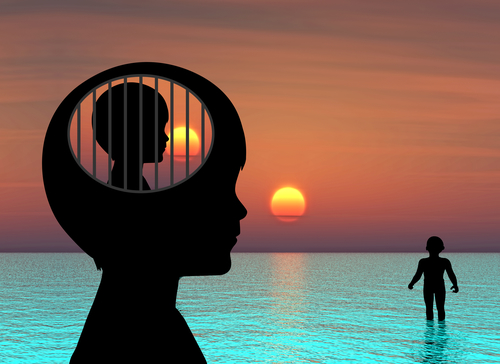
Depression is a surprisingly common mental health issue, affecting 17% of Americans at some point throughout their lifetimes. Depressions almost always are a result of a stressful life event, though not all of these depressions are severe enough or long enough in duration to be considered a mood disorder. 


For instance, grief or bereavement often occurs when an individual has lost a loved one. Grievers tend to experience numbness and disbelief, yearning and searching for the lost person before acceptance that he is gone, disorganization and despair as realization is reached, and finally acceptance and reorganization of life. The DSM-IV had a bereavement exclusion for major depressive disorder (MDD): a person might not receive a diagnosis for MDD if he had experienced a major loss in the last two months. However, in a controversial move, this exclusion principle was left out of the DSM-5, allowing clinicians to diagnosis MDD soon after a major loss. 

There are a surprising number of types of depression – many of them are well-known but not generally considered when we think about depression. For instance, postpartum depression is a negative mood response to the birth of a child. Feelings of changeable mood, crying easily, sadness, and irritability occur in 50 to 70 percent of women within 10 days of the birth. These symptoms generally subside on their own. 

Another type of DSM-5 diagnosable depression is premenstrual dysphoric disorder. (That’s right. PMS.) In order to get this diagnosis, one of four symptoms must occur a week before onset of menses, and disappear within the first couple of days after onset. Those four symptoms are: mood swings, irritability or anger, depressed mood or self-deprecation, and anxiety or being “on edge.” 

MDD is characterized by persistent symptoms that occur most of the day, every day for at least two weeks. The patient must either have a depressed mood or a loss of interest or pleasure (anhedonia). There is also a list of 7 symptoms, of which the patient must have 4: significant weight change, hypersomnia or insomnia, psychomotor agitation or retardation, fatigue, inability to concentrate, and recurrent thoughts of death. Untreated, these symptoms generally last 6 to 9 months. 

There are several types of MDD. The specifiers are: “with melancholic features,” “with psychotic features,” “with atypical features,” “with catatonic features,” and “with seasonal pattern.” 

The melancholic patient awakens early in the morning, has depression that is worse in the morning, exhibits psychomotor agitation or retardation, loss of appetite, and/or excessive guilt. 

Psychotic features are delusions or hallucinations that are “mood congruent” (in other words, they tend to be a very depressing psychotic experiences). One example is the belief that one’s internal organs have completely deteriorated, leading to the depression. Patients with psychotic features generally experience extreme guilt and feelings that they deserve depression as punishment.

Atypical features include more mood fluctuations than a person with MDD would usually experience. The patient’s spirits might temporarily lift at a positive event. Other atypical features are increase in appetite, hypersomnia, arms and legs feel as heavy as lead, and being acutely sensitive to interpersonal reaction. 

I find the description of atypical features to be interesting because in the times that I have experienced severe depression, I have experienced all of these symptoms. But apparently people with bipolar disorder tend to have atypical features to their depressive episodes. In fact, a person should not be diagnosed with MDD if they have ever experienced a manic or hypomanic episode, as I have. Another interesting difference between MDD and bipolar disorder is that those with bipolar tend to have much deeper depression than those with “unipolar” depression.

Catatonic depressives experience extreme psychomotor retardation often to the point of complete immobility. They often stop talking as well. I have an aunt who experienced these symptoms for weeks at a time during her teenage years. Apparently, she would just sit at the kitchen table all day, every day. Not moving, not talking, just staring. I’ve asked my dad “didn’t she eat or go to the bathroom or to bed?” He just answers “I don’t know. I never saw her doing those things.” 

In order to be diagnosed with a seasonal pattern, you must have experienced two or more depressive episodes in the past two years that occurred at the same time of year, usually fall or winter, with a full remission at the same time of year, usually spring or summer. Sometimes the seasons can be switched – these patients tend not to get as much sympathy as those who get depressed in the winter. To get this diagnosis, non-seasonal depression must not have occurred in this 2 year period. 

When depression occurs almost every day for most of the day for more than two years, the patient is generally diagnosed with persistent depressive disorder. “Normal” moods may occur, but they generally only last for a few days. This depression contains many of the same characteristics of MDD, though they are not as severe. Persistent depressive disorder generally lasts for 4-5 years, but can last longer than 20 years. It often starts during adolescence. This disorder is quite common, occurring with a lifetime prevalence of 2.5-6% in Americans. 

Depression has been attributed to many biological causes. There is a genetic factor – people with family members who have MDD are more likely to develop MDD themselves. The serotonin-transporter gene, which is responsible for the uptake of serotonin in the brain, has a heritable mutation which makes depression much more likely. An imbalance of the neurotransmitters norepinephrine or serotonin is strongly associated with depression, and most anti-depressant medications target these neurotransmitters. 


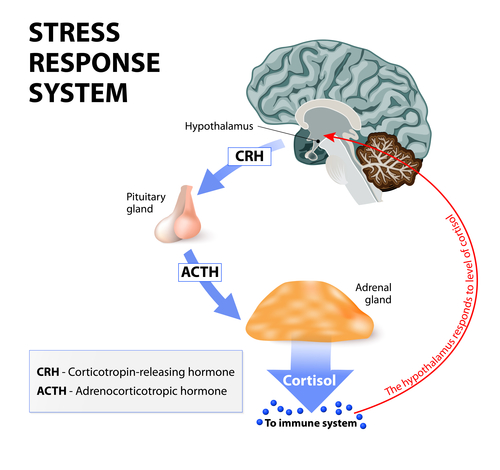
Another biological cause can be a dysregulation of the hypothalamic-pituitary-adrenal (HPA) axis. In response to a perceived threat, norepinephrine signals the hypothalamus to release a signal which eventually leads to release of the stress hormone cortisol from the adrenal gland. Cortisol is not harmful for short periods of time, but long-term it can promote hypertension, heart disease, and obesity. It is hypothesized that during MDD, the signal stimulating cortisol release is continuously present in the system, or the feedback inhibition mechanism, which tells the adrenal gland that it should stop releasing cortisol, is not functional. The HPA axis is related to the stress response, which explains the onset of depression after stressful life events, and also explains the concurrence of depression with anxiety. 

There are several theories about psychological causes of depression. In 1967, Aaron Beck proposed the cognitive theory of depression – which led to the development of cognitive behavioral therapy (discussed in my post Contemporary viewpoints on treating mental illness – psychology). Beck proposed that before experiencing depression, a person experienced dysfunctional thinking – these thoughts could be about oneself, about the world, or about one’s future. Dysfunctional thinking may include: 1) all-or-none thinking, for example someone thinks he must get 100% on a test or he is a complete loser; 2) selective abstraction, which includes a tendency to focus on one negative event even if surrounded by positive events; and 3) arbitrary inference in which the individual jumps to a conclusion based on little to no evidence. (Examples of these are given in my previous post.) Although research shows that this dysfunctional thinking occurs during depression, research leaves it unclear whether dysfunctional thinking occurs prior to depression, suggesting that such thinking might not be the cause of depression, as theorized by Beck.

There are also the hopelessness and helplessness theories of the psychological causes of depression. In these, the individual might feel incredibly pessimistic about the future, or incapable of having any impact on himself or his environment. A final theory is the ruminative theory, in which a person’s tendency to roll negative thoughts over-and-over in her head leads to depression. Women tend to ruminate more than men, and they also are more likely to experience depression than men. But when a study controls for rumination, the sex difference disappears, suggesting that rumination has a strong impact on depression. 

This is a series of posts summarizing what I’m learning in my Abnormal Psychology course. Much of the information provided comes from reading my James N. Butcher’s textbook Abnormal Psychology. To read the other posts, follow these links: 

The Definition of Abnormal
A History of Abnormal Psychology
Abnormal Psychology in Contemporary Society
Contemporary Viewpoints on Treating Mental Illness – Biology
Contemporary Viewpoints on Treating Mental Illness – Psychology
Frontline: New Asylums
Brave New Films: This is Crazy
Clinical Mental Health Diagnosis: Biological Assessment
Clinical Mental Health Diagnosis: Psychological Assessment
Does the DSM Encourage Overmedication?
Post Traumatic Stress Syndrome – The Basics
Panic Disorder
Obsessive Compulsive Disorder
Hoarding and Body Dysmorphic Disorders
Depression – an Overview
Personality Disorders – Clusters and Dimensions
Personality Disorders – Cluster A
Personality Disorders – Cluster B
Personality Disorders – Cluster C
Biological Effects of Stress on Your Body
Somatic Symptom and Related Disorders
Dissociative Disorders
Borderline Personality Disorder
Dialectical Behavioral Therapy
Paraphilic Disorders
Gender Dysphoria – Homosexuality and Transgender
Anxiety Disorders
Bipolar Disorder – The Basics
Suicide – An Overview

References:

Butcher, James N. Hooley, Jill M. Mineka, Susan. (2014) Chapter 7: Mood Disorders and Suicide. Abnormal Psychology, sixteenth edition (pp. 212-262). Pearson Education Inc.

October 2015 Review

Photo of the month: pumpkin selfie

Wow. This was quite the month. Most of it is fuzzy due to my bipolar mixed state which gobbled up most of my conscious activity. But I’m starting to emerge, thankfully.

At some point, I decided to choose this crying piggy bank as my monthly topper – probably because I spent a huge chunk of money on my new contact lenses, but it may also have been because the picture’s really darned cute. I’ve decided to include it now, even though it doesn’t summarize the month as well as I’d expected at one foggy moment in a long foggy month.


I’d say more about my month, but I’m a bit foggy. 🙂 So I’ll let the posts and pictures say the rest:

I’m currently reading or listening to:


Abnormal Psychology Posts

Clinical Mental Health Diagnosis: Biological Assessment
Clinical Mental Health Diagnosis: Psychological Assessment
Does the DSM-5 Encourage Overmedication?
Post Traumatic Stress Syndrome – the Basics
Panic Disorder
Obsessive Compulsive Disorder
Hoarding and Body Dysmorphic Disorders


Book & Movie Reviews


Already started this series. Thought it would be a nice addition to A More Diverse Universe, The Halloween Reading Challenge, and R. I. P. X
This has been collecting virtual dust in my Audible library. Thought it would be a nice addition to The Halloween Reading Challenge, and R. I. P. X
I started this a long time ago for my bookclub and wasn’t able to finish it on time. Figured now was a good time since the review would fit in well with A More Diverse UniverseThe Halloween Reading Challenge, and R. I. P. X


Read this so that I could discuss it with my Abnormal Psychology Prof


Read this classic vampire story for 
The Halloween Reading Challenge, and R. I. P. X and The Classics Club
I read this to supplement my study of The Epic of Gilgamesh.
This is a classic text discussing the theories about the relationship of the flood myths in Gilgamesh Epic and the Old Testament.
I was supposed to finish this 12-part series for my bookclub a while back, but I only got through 7. I’m slowly trying to finish the series because it is rather interesting. 


This book has been hanging out in my Audible library for quite a long time.
In my efforts to decrease my TBR pile, I read it. Thought it would fit in nicely with
The Halloween Reading Challenge, and R. I. P. X
How could I resist? 
Thought it would fit in nicely with The Halloween Reading Challenge, and R. I. P. X
This is my RL book club pick for November
I actually didn’t finish this one. I got about 3 hours into the 14 hour book.
I was interested in what Greenberg had to say about the problems with the DSM classification system (for there are many)…and he had some good ones
But with his bashing of psychiatry he promotes stigma and ignorance of mental health by encouraging the people who believe that mental illness either doesn’t exist (“it’s all in their heads”) or is caused by a weakness of character.
Although interested in what he had to say, the book made me so angry that I couldn’t listen anymore.
Picked this up off the Audible New Release section.
Figured it’d be one last hoorah for the Halloween season.

Movies/Shows watched:

Watched this with my boyfriend. Thought it would be a nice addition to The Halloween Reading Challenge, and R. I. P. X

Watched this horror flick with my boyfriend, but since I only gave it 3 snowflakes, I decided not to review it. 


Thought it would be fun to watch the movies after reading the book.
This is the original Swedish version of the movie
This is the American remake of the Swedish film.
I expected it to be a remake of the Swedish book, but it wasn’t.
Watched it after reading the book.
I like to compare different adaptations.
Watched this while I was giving platelets. Wow. It was pretty amazing. 
Went to this in the theater with my sister and her son.
While not as hilarious as the first, it was a fantastic sequel. 


Next Month’s Blogging Activities Include

Sci-Fi Month 2015 @Rinn Reads


The Classics Club (My List)

I’m participating in Nonfiction November hosted  by Doing Dewey, Sophisticated Dorkiness, I’m Lost in Books, and Regular Rumination.  I will also be participating in the I am Malala readalong in the last week of November. I’m hoping to take this theme to heart and catch up on my non-fiction reviews in November. 🙂


This post is linked up to the Facebook Group The Sunday Salon. “The Salon is open to anyone who’d like to discuss books of a Sunday (or, frankly, any other day of the week). … Discuss what you’re reading here, or link to relevant blog posts, or comment on one anothers posts. Enjoy.”
This post is also linked up to the Sunday Post at Caffeinated Book Reviewer. “The Sunday Post is a weekly meme hosted here @ Caffeinated Book Reviewer. It’s a chance to share news~ A post to recap the past week on your blog, showcase books and things we have received. Share news about what is coming up on our blog for the week ahead.”

The Tide, by Anthony J. Melchiorri

The Tide, by Anthony J Melchiorri, narrated by Ryan Kennard Burke
Captain Dominic Holland (Dom) is head of a covert operations team which investigates bioterrorism. As he and his team check out some suspicious activity on what was believed to be an abandoned oil rig, bone-armored mutant men begin to wash up on shores of countries around the world. Soon, citizens become crazed – brutally attacking and devouring people. Dom’s team rushes to find a cure to the bioweapon, as civilization crashes around them. 


I found this book in the new releases in Audible and thought I’d try it out. The genre is basically bioweapon zombie apocalypse, but the “zombies” aren’t actually zombies. They are living humans who develop bony armor around their bodies and get brain activation of unthinking violence. It was a fast-paced, high-action book. The science was very reasonable – clearly Melchiorri did his research – which I like to see in biotech books (otherwise I tend to roll my eyes and criticize every little mistake). Yes, the race for a cure moved along much too fast to be realistic, but that’s the nature of the genre, not a problem with Melchiorri’s writing. Nobody wants to read a book with the pacing of real life, after all. 🙂 

I think this book will be quite enjoyable to anyone who likes biotech apocalypse thrillers, especially those who enjoyed Jonathan Maberry’s Patient Zero. But beware, it is the first in a series, and the story just cuts off at the end – there’s not a satisfying conclusion. Luckily, Melchiorri is releasing the second one hot on the heels of the first, so this may not be an issue for many readers. 

I decided to give this book four stars despite the fact that there wasn’t a satisfying ending. The science was excellent and it was just what a biotech thriller should be. 

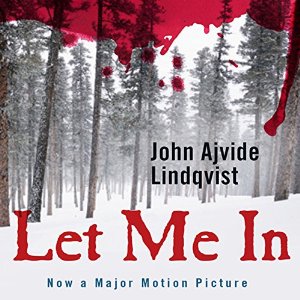
Let Me In, by John Ajvide Lindqvist

Let Me In, by John Ajvide Lindqvist, narrated by Steven Pacey

Oskar, a 12-year-old boy, is bullied by his schoolmates. He spends his time fantasizing about revenge and stabbing trees with a knife. He obsesses about violent crimes, keeping a notebook of newspaper clippings. One day, a strange girl and her father move in next door. She seems quite unaware of social norms and completely immune to getting cold. Her father and she argue loudly and frequently, which Oskar can hear through his wall. Despite the fact that she tells him they can’t be friends, Eli and Oskar soon form a bond. She encourages him to stand up to his bullies, and he starts growing in self-confidence. But strange murders are suddenly occurring in his neighborhood, and Oskar begins to suspect that Eli is more than he thought she was. 

I have been interested in reading this book after reading a fascinating short story of his a few years ago. This book did not disappoint. It was eerie and consuming. It was also very gruesome, and it has some graphic child-sexual-abuse scenes, so beware. Luckily, I had read reviews of this book beforehand and already knew about the child abuse, so I was not quite as repulsed by it. However, this book lost an entire star because of the child-sexual-abuse, which didn’t appear at all in the movies and wasn’t absolutely necessary. The child abuse did help develop the character of Eli’s father as a disgusting and pathetic failure, but I think both attributes could have been manged in other ways. Or, at least, without the graphic scenes.

In general, I am pleased with Lindqvist’s style – it is mysterious and flows well. The characters were well-drawn and believable (in a there-be-vampires sort of way). There dark, dreary mood was set early in the book and retained steadily throughout. There was nothing particularly original about Lindqvist’s vampire, though Eli had some original personality traits and circumstances. Also, I’ve seen this book described as a romance, and I don’t agree with that. Yes, Oskar asked Eli to “go steady,” but that was about it. I mean, he was 12, and those feelings were very naive and not pronounced. This was a book about friendship, not romance.

Overall, I was pleased with the book and would read another by Lindqvist, though I’ll probably wait before I can get through another that has sexual abuse in it. The audiobook was well-read – the voices were distinguishable and the pacing was quite reasonable.
3.5 stars for flow, eeriness, mystery – star lost for child sexual abuse


Hoarding and Body Dysmorphic Disorders


Obsessive compulsive disorder (discussed in a previous post) is grouped in a DSM-5 category called “obsessive compulsive and related disorders.” Other disorders included in this category are hoarding, body dysmorphic, trichotillomania (hair picking), and excoriation (skin picking) disorders. 

Upon publication of the DSM-5, there were a lot of ignorant people laughing at the “new” disorder “hoarding,” and giving it as an example of how the DSM-5 encourages over-diagnosis of “normal” individuals. Such people do not understand the dire nature of this disorder. An individual with hoarding disorder finds it extremely distressful to discard objects, regardless of their actual value. These objects fill up their living spaces, leading to impairment of the individual’s ability to live a healthy, functional life. 


Hoarding has recently reached the popular eye due to TV shows like A&E’s Hoarders or TLC’s Hoarding: Buried Alive. I haven’t watched either of these shows, so I don’t know if they are a good representative of the dangers of hoarding. But I can give examples of such dangers:

To go along with my Adrian Monk theme in my OCD post, Adrian’s brother Ambrose Monk is an extremely agoraphobic hoarder. In the episode Mr. Monk and the Three Pies, Ambrose’s house is set on fire, and he is unable to exit the house – partly due to the lack of safe pathways through his piles of newspapers. 

If you like real-life examples, I have an acquaintance with hoarding disorder. She fell in her home and was unable to get up due to the huge piles of junk surrounding her. She lay there three days before someone found her. Luckily, she was holding a jug of juice when she fell, so she survived surprisingly well during this time. 

Obsessive hoarders tend not to respond to the same types of medications or therapies as people with OCD, and their brain activation patterns are different than those recorded in OCD patients. Therefore, it is possible the two disorders might not be as strongly related as categorized in the DSM-5.

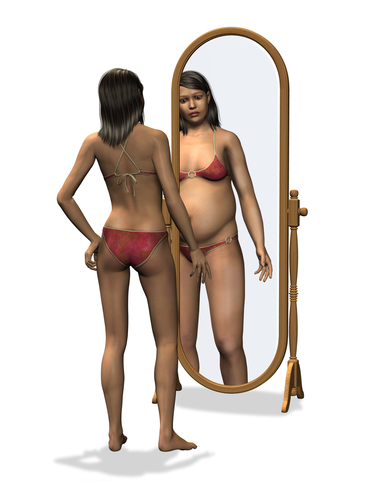
People with body dysmorphic disorder (BDD) become obsessed with one or more body parts that they perceive as hideous or deformed. When people with BDD look in the mirror, they often see a defect that is not present, such as the woman above seeing herself as fat when she is actually thin. Such people are often self-conscious about this perceived defect, and believe that everyone around them look down on them for their ugly appearance. People with BDD might spend hours every day looking in a mirror obsessing about their perceived defect, or they might compulsively avoid mirrors altogether. BDD patients often avoid social situations, and sometimes they stop leaving their house altogether. It’s possible, even, that they might have so many plastic surgeries that their nose dies (rumored to have happened to a certain deceased celebrity). 
One example you might immediately think of (especially since it is pictured above) is people with anorexia nervosa. However, anorexia is not always a form of BDD. Many anorexics are emaciated and are pleased with their appearance. Some, however, are emaciated and see themselves as fat when they look in the mirror. These are the type with BDD. A long time ago, I remember reading about a study in which a tight-fitting full-body suit was worn by BDD-related anorexics. The tightness of the suit allowed the subjects to change thier proprioceptive perception of their body types. Because they could feel how thin they were, they began to perceive themselves as thin. I’m pretty sure I read about this study in Sandra Blakeslee’s book The Body Has a Mind of Its Own: How Body Maps in Your Brain Help You Do (Almost) Everything Better. 

More mainstream treatments for BDD include SSRI’s and a form of cognitive behavioral therapy in which the subject is made to wear clothing or makeup that accentuates the “defect” rather than disguising it. The subject is also told to not look in a mirror, even when they feel compelled to. 


This is a series of posts summarizing what I’m learning in my Abnormal Psychology course. Much of the information provided comes from reading my James N. Butcher’s textbook Abnormal Psychology. To read the other posts, follow these links: 

The Definition of Abnormal
A History of Abnormal Psychology
Abnormal Psychology in Contemporary Society
Contemporary Viewpoints on Treating Mental Illness – Biology
Contemporary Viewpoints on Treating Mental Illness – Psychology
Frontline: New Asylums
Brave New Films: This is Crazy
Clinical Mental Health Diagnosis: Biological Assessment
Clinical Mental Health Diagnosis: Psychological Assessment
Does the DSM Encourage Overmedication?
Post Traumatic Stress Syndrome – The Basics
Panic Disorder
Obsessive Compulsive Disorder
Hoarding and Body Dysmorphic Disorders
Depression – an Overview
Personality Disorders – Clusters and Dimensions
Personality Disorders – Cluster A
Personality Disorders – Cluster B
Personality Disorders – Cluster C
Biological Effects of Stress on Your Body
Somatic Symptom and Related Disorders
Dissociative Disorders
Borderline Personality Disorder
Dialectical Behavioral Therapy
Paraphilic Disorders
Gender Dysphoria – Homosexuality and Transgender
Anxiety Disorders
Bipolar Disorder – The Basics
Suicide – An Overview

References:

Butcher, James N. Hooley, Jill M. Mineka, Susan. (2014) Chapter 6: Panic, Anxiety, Obsessions, and their Disorders. Abnormal Psychology, sixteenth edition (pp. 163-210). Pearson Education Inc.

My Life as a White Trash Zombie, by Diana Rowland

My Life as a White Trash Zombie, by Diana Rowland, narrated by Allison McLemore

This book was a huge surprise to me. I was told it was fantastic – funny, fun, good plot – but I didn’t really believe. I mean, there are so many zombie books out there, right? But it really was hilarious and fun. I’m glad I gave it a chance.

Angel Crawford is a down-on-her-luck, pill-popping, high school drop-out who can’t hold down a job and is being dragged down by her alcoholic father and deadbeat boyfriend. One day, she wakes up in a hospital – told that she overdosed and was found naked on the side of the road. Humiliated, she is about to return home when she gets a mysterious note telling her to drink a mysterious power-shake each day, and that she now has a job picking up and helping autopsy dead bodies. She’s told she must keep this job for at least a month, or she’s going to prison for parole violation. Angel is terrified of prison, so she begrudgingly starts her new job. 

Strangely, she realizes that she desperately wants to eat the brains of the bodies she’s been autopsying – and she thinks it must be some weird side-effect of the OD…maybe she’s just going crazy. But then hints begin to turn up that she’s been zombified. Proving to be more intelligent than she thought, Angel begins to investigate who zombified her, sent her the mysterious notes, and who, in God’s sake, is the serial murderer who’s beheading all his victims?

Like I said, it was really funny. I loved Angel’s character, and the mystery kept me listening even when I should have been doing other things. Angel really developed during this book – changing from an self-hating loser to an almost self-confident, poised, intelligent woman. (There’s still some room left for “refinement” in the next books, of course.) Much to my surprise and gratification, this was a very character-driven book. I will definitely pick up more from this series. 

This book gets 4.5 stars for humor, characterization, and mystery.

Obsessive Compulsive Disorder


Most people are familiar with obsessive compulsive disorder as is popularized in many TV shows and movies. My favorite is Monk, a TV show about Adrian Monk, an investigator who works with the San Francisco police department. Due to Monk’s severe OCD (along with other disorders), he was forced into retirement as a detective with the San Francisco PD. The show is unflinching about the negative effects of Monk’s disorder, but of course it introduces humor into his predicament. 

According to the DSM-5, obsessions are “recurrent and persistent thoughts, urges, or images” that are intrusive and cause distress. The individual attempts to ignore the obsessions, but is generally unable to. Compulsions are repetitive behaviors – such as hand washing, checking, praying, counting, or word repetition – that the individual feels compelled to perform in order to reduce anxiety and distress.


Often, the compulsion is meant to prevent a terrible event. That event is often excessive or unrealistic. To give a rather trite but recognizable example, someone might try not to step on cracks because they’d “break their mother’s back,” so they must go back to the beginning again and again just to make sure they didn’t step on any of the cracks. Ritualistic hand washing is generally meant to protect the individual from contamination of germs. Adrian Monk, from my example above, had his assistant carry around hand-wipes so that Monk could clean up after he’d shaken hands with anyone. 

OCD can be one of the most debilitating mental disorders because it can take up hours of a person’s day. In order to get a diagnosis, the obsessions or compulsions must take up at least 1 hour each day. 


Generally the individual is quite aware that his compulsion is excessive and unnecessary. Monk was an intelligent guy – he knew that if he didn’t touch-and-count every car antenna in that traffic jam that nothing bad would happen. But he couldn’t stop himself, even though it slowed down his progress as he walked up to the “crime scene.” 

Common obsessive thoughts include contamination fears, fears of harming oneself or others, and pathological doubt. Another common obsession is the need for symmetry. Mr. Monk had all of these obsessions. Obsessions about sex and aggression are also common. (Well, Monk wouldn’t be as likable if he had those, though he did have a phobia of sex and nudity). OCD is often accompanied by social phobia, panic disorder, generalized anxiety disorder, and PTSD. (Yup. Monk had all of those.) 

OCD is thought to be a learned behavior. First, the individual begins to obsess that touching a doorknob will contaminate his hands. As his anxiety increases, he finally breaks down and washes his hands. Washing his hands decreases his anxiety tremendously – he has now learned how to alleviate his distress. So the next time the obsessive thought intrudes, he will wash his hands again. Perhaps this time, he’ll just keep on washing his hands, because that might decrease the anxiety more. Of course, this theory doesn’t explain where the obsessive thoughts come from in the first place.

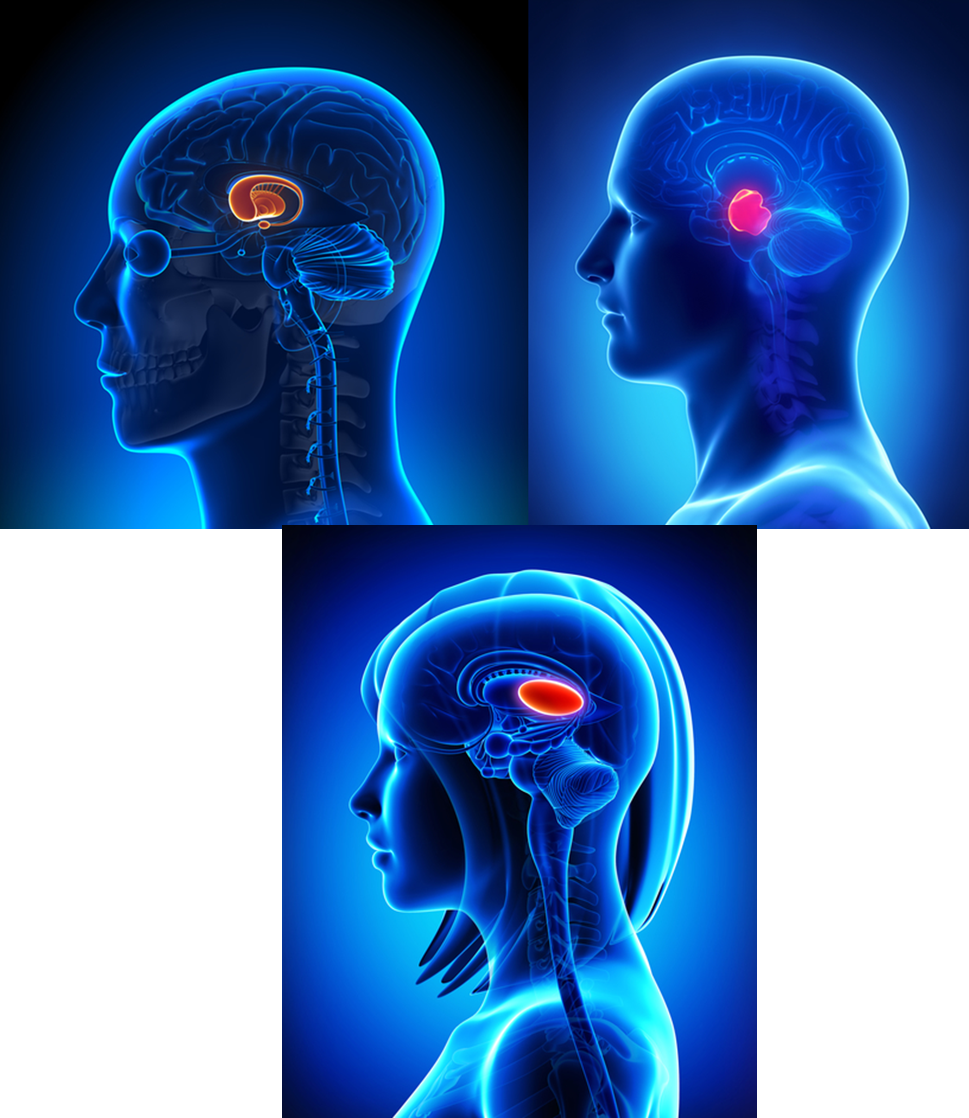
Top left: basal ganglia; Top right: amygdala;
Bottom: thalamus

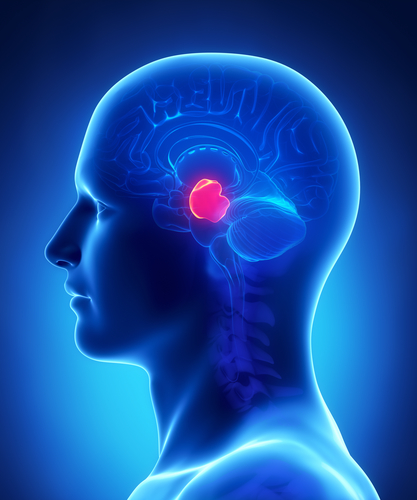
In patients with OCD, abnormalities occur primarily in the basal ganglia. The basal ganglia are involved in primitive behaviors such as sex, aggression, and hygiene concerns. In a system known as the cortico-basal-ganglionic-thalamic circuit, urges are passed from the basal ganglia through the caudate nucleus, which filters the urges before sending them to the thalamus, which, in turn, sends the signal to the frontal cortex to create an action-urge. Theories suggest that in OCD, there is something wrong with the filtering aspect of this system, and many inappropriate urges are sent on to the cortex. In addition to connecting to the cortico-basal-ganglionic-thalamic circuit, the basal ganglia is also linked to the limbic system through the amygdala, which is thought to be the source of the “fear network,” as described in my post about panic disorder. This connection explains the panic that the individual feels when the obsessive urges aren’t acted upon. 

The most successful treatment for OCD is exposure and response prevention. The individual is asked to rate his disturbing stimuli on a scale of 1 to 100. The individual then exposes himself repeatedly to a stimulus (either by imagination or directly) and is asked not to perform the compulsion. Eventually, the anxiety subsides on its own. Theoretically, each time the individual avoids the compulsion, he becomes a little more sure that the compulsion is not necessary to decrease the anxiety. 

For those of you who are interested, Mr. Monk’s greatest fears, in order, are: germs, dentists, sharp or pointed objects, milk, vomiting, death and dead things, snakes, crowds, heights, fear, mushrooms, and small spaces (as listed in the episode “Monk and the Very, Very Old Man). Fortunately for him, his work frequently throws him into situations in which he encounters these things and is unable to fulfill his compulsions. I guess working his its own therapy. 🙂

This is a series of posts summarizing what I’m learning in my Abnormal Psychology course. Much of the information provided comes from reading my James N. Butcher’s textbook Abnormal Psychology. To read the other posts, follow these links: 

The Definition of Abnormal
A History of Abnormal Psychology
Abnormal Psychology in Contemporary Society
Contemporary Viewpoints on Treating Mental Illness – Biology
Contemporary Viewpoints on Treating Mental Illness – Psychology
Frontline: New Asylums
Brave New Films: This is Crazy
Clinical Mental Health Diagnosis: Biological Assessment
Clinical Mental Health Diagnosis: Psychological Assessment
Does the DSM Encourage Overmedication?
Post Traumatic Stress Syndrome – The Basics
Panic Disorder
Obsessive Compulsive Disorder
Hoarding and Body Dysmorphic Disorders
Depression – an Overview
Personality Disorders – Clusters and Dimensions
Personality Disorders – Cluster A
Personality Disorders – Cluster B
Personality Disorders – Cluster C
Biological Effects of Stress on Your Body
Somatic Symptom and Related Disorders
Dissociative Disorders
Borderline Personality Disorder
Dialectical Behavioral Therapy
Paraphilic Disorders
Gender Dysphoria – Homosexuality and Transgender
Anxiety Disorders
Bipolar Disorder – The Basics
Suicide – An Overview

References:


Butcher, James N. Hooley, Jill M. Mineka, Susan. (2014) Chapter 6: Panic, Anxiety, Obsessions, and their Disorders. Abnormal Psychology, sixteenth edition (pp. 163-210). Pearson Education Inc.

Severed, by Frances Larson

Severed: A History of Heads Lost and Heads Found, by Frances Larson, Narrated by Reay Kaplan
As soon as I heard about this book I just had to read it. I tried to convince my book club to read it for next month, but alas, the subject was too upsetting for them. So I chose to read it anyway. And I most certainly am glad that I did so. 

Severed is about Western culture’s fascination with severed heads throughout history. The book begins with Larson’s own fascination with the shrunken heads in Pitt Rivers Museum at Oxford, where she worked. Apparently, they are quite an attractive exhibit there, drawing lots of fascinated people – adults and children alike. 

The shrunken heads were made by Shuar and Achuar peoples from South America, ranging from Peru to Ecuador. The heads were considered to have the power of the souls of the former owners, and when the heads were shrunk, the Shuar and Achuar people were able to harvest that power. The shrunken heads were made by removing the brain and skull. The skin of the head was then put in hot water and filled with scalding sand. The sand treatment was repeated several times until the head shrunk down to the size of a fist. 
Interestingly, after the heads were shrunk, they no longer had any power. Therefore when Westerners became interested in the heads as novelty items, the Shuar and Achuar people were happy to sell them. Even Westerners wanted a piece of the shrunken head profit: they would fake the heads using heads of monkeys. 

Apparently, these shrunken heads are found quite fascinating by the Westerners even today. Many are in display in museums. I used to go to a museum when I was a child – it was called Woolaroc Ranch in Bartlesville, OK – and I was frightened and quite the opposite of fascinated by the shrunken heads. And even today, I searched “shrunken heads” in my stock photo source, and felt a little queasy at the results. Funny, I can read this book with fascination, but I can’t look at a picture of a fake shrunken head without feeling a little off. 🙂
Anyway, Larson’s story of severed heads did not stop there. She discussed trophy hunting during Pacific, Vietnam, and Korean Wars. It’s surprising what a soldier might do when he is in the foreign world of kill-or-be-killed. Again, the idea made me feel sad. 

She discussed the sloppy ax beheadings of convicted criminals in the days before the guillotine. How an executioner would be praised by his ability to cut a head clean off, and would be shouted down, beaten, and possibly killed because of a sloppy execution. Because higher society became more “refined,” they decided that the rowdy crowds that executions attracted were disturbing – so they invented the guillotine. The crowds were disappointed by how quick and effortless the executions were, but the executions certainly became more humane.

Larson finally discussed phrenology, plastination, and dissection of heads by medical students (modern and in the old days of stolen corpses). Until she got to the plastination part, I was feeling rather fascinated but disgusted – actually a little high-and-mighty that I certainly did not find dead heads fascinating. (Yes, I recognize the internal contradiction in that sentence.) But then I realized she had a point. I was fascinated. I was fascinated by her book. And when the Bodyworlds exhibit came to the Science Museum of Minnesota, I sure did rush out there to see it. And I didn’t find it disgusting. Of course, there’s a difference between Bodyworlds versus collecting the heads of unwilling donors – the people of Bodyworlds all donated their bodies to this “art” project. In fact, I find mummy exhibits to be a little wrong. 

Larson claims that our disgust at the collection of heads is rather a new concept – it isn’t inherent in humans. I find that a little hard to believe, but I recognize that some things that seem naturally right to me were not always “right.” For instance, homosexuality. Not more than a couple decades ago homosexuality was listed in the DSM as a psychological disorder. Now it’s mostly accepted as normal behavior for some people – and the idea that it was considered a mental illness is laughable (or insulting, depending on what personality type you have). So why can’t the same thing be said of my own uncomfortableness about severed human heads? But I’d like to point out my own argument against Larson’s point: if people of the past didn’t find the idea of severed human heads a bit off-putting, then why were they so fascinated by the idea? 

Larson’s book was a fantastic read for the Halloween season. It was creepy, fascinating, and creative. The research seemed quite diverse and the narrative was engaging. I really think there’s a lot to learn from this book – at the very least it will make you rethink your own views on the subject of dead heads. 



4.5 stars for creative subject, research, and engaging narrative.

Panic Disorder

Fear is an emotion that elicits the “fight-or-flight” response of the autonomic nervous system. It is an immediate (uncontrollable) response to a direct danger – such as a rattlesnake, a gun pointed at your head, or a fast car driving right at you. Fear is generally a helpful response that allows you to protect or remove yourself from the imminent peril. 

Sometimes the fear response can occur in the absence of any obvious stimulus – this can lead to a panic attack. Panic attacks are terrifying physiological and psychological events in which your autonomic nervous system ramps you up for fight-or-flight. Often, the person becomes terrified that they are dying – usually of a heart attack. Like intense fear, the heart starts pounding, adrenaline flows, breathing races. Sometimes the victim will run from the room – perhaps to a hospital or perhaps with no direction at all – to escape the unseen threat. 

A person who experiences frequent panic attacks can be diagnosed with panic disorder. A person with panic disorder is terrified of having another panic attack – and even that fear can elicit another attack. Such a disorder can be crippling. I have a friend with panic disorder that struggled in college because she’d had a panic attack during a particular class, and she was intensely afraid to go back to that class, fearing that she might have another attack. According to the DSM-5, in order to have panic disorder, a person must have 4 of 13 symptoms including: pounding heart, sweating, trembling, shortness of breath, choking, chest pain, nausea, dizziness, chills or heat, numbness or tingling, feelings of unreality, fear of “going crazy,” or fear of dying. 

Panic attacks usually last 20-30 minutes with a peak for about 10 minutes, which is good because any longer than that could pose an immediate danger to the person’s metabolism (in case of diabetes) or cardiovascular system (heart attack). 

The fear response in a panic attack originates in the amygdala, which is thought to be the central component of the “fear network.” According to the prevailing theory, panic attacks occur when the fear network is activated. Panic disorder develops in people who have a non-adaptive fear network which is overly-sensitive. Although the physiological response to a panic attack originates in the amygdala, there are also cognitive components to panic disorder (e.g. fear of another panic attack in particular situations). The hippocampus, which is involved in learning and emotional responses, is likely involved in this aspect of panic disorder. The cognitive factors in panic disorder (e.g. fears of dying or going insane) are likely controlled by higher cortical centers of the brain.

There are a couple of theories about the development of panic disorder. In the comprehensive learning theory of panic disorder, a person undergoes classical conditioning – such as Ivan Pavlov discovered when his dogs began to salivate reflexively to the sound of a metronome that was always ticking when the dogs ate. In a process called interoceptive conditioning, the person begins to unconsciously associate physiological arousal (e.g. pounding heart, head rush, increased breathing rate) with panic. Thus, when a person is physiologically aroused, such as while running, she will suddenly experience a panic attack. Panic attacks can also be induced by happy events. For instance, when something exciting happens, such as a marriage proposal, the happy person can suddenly rush into panic. 


Another theory of panic disorder is the cognitive theory. In this case, the person consciously associates physiological arousal with impending doom. When his heart is pounding, he thinks he could be having a heart attack. When his breathing becomes labored, this could be lung cancer. Such thinking is called “catastrophizing.” 


Panic provocation studies support the cognitive theory of panic disorder. In such a study, a subject is given a stimulant that increases heart rate or other physiological symptoms of arousal. One test group is told in advance that the stimulus will increase heart rate, and that it is completely harmless. The other test group will not receive any explanation. It turns out that people who are forewarned of the physiological arousal are less likely to experience a panic attack. This is not in line with the comprehensive learning theory, in which the panic is induced reflexively, and cognition has nothing to do with the attack.


In all likelihood, both theories play some part in the origin of panic attacks. 


Many people with panic disorder are prescribed benzodiazapines such as Xanax or Klonopin. These medications are very useful for anxiety relief, but they can be addictive. Upon cessation of the medication, a patient can undergo uncomfortable side effects such as nervousness, sleep disturbance, dizziness, and panic attacks. For those of you who wonder why we are so dependent upon medications for treatment of anxiety, try undergoing a three hour anxiety attack like the one described in My Bipolar Mixed State. You will soon understand that immediate relief is necessary.


Because of the negative side effects of medication, it is good to treat panic disorder with psychological therapy, such as cognitive-behavioral therapy, as described in Contemporary viewpoints on treating mental illness – psychology. In such treatment, a patient can be exposed to internal stimuli of physiological arousal; for instance, running in place, spinning in a chair, or hyperventilating. The patient must continue this activity until he dissociates the physiological symptoms with panic. Such deconditioning therapy can be combined with education about the nature and causes of panic disorder. The patient can be taught to meditate or control their breathing. Patients are also taught about the cognitive errors that they might be making (i.e. my heart is pounding, I must be having a heart attack). 

This is a series of posts summarizing what I’m learning in my Abnormal Psychology course. Much of the information provided comes from reading my James N. Butcher’s textbook Abnormal Psychology. To read the other posts, follow these links: 

The Definition of Abnormal
A History of Abnormal Psychology
Abnormal Psychology in Contemporary Society
Contemporary Viewpoints on Treating Mental Illness – Biology
Contemporary Viewpoints on Treating Mental Illness – Psychology
Frontline: New Asylums
Brave New Films: This is Crazy
Clinical Mental Health Diagnosis: Biological Assessment
Clinical Mental Health Diagnosis: Psychological Assessment
Does the DSM Encourage Overmedication?
Post Traumatic Stress Syndrome – The Basics
Panic Disorder
Obsessive Compulsive Disorder
Hoarding and Body Dysmorphic Disorders
Depression – an Overview
Personality Disorders – Clusters and Dimensions
Personality Disorders – Cluster A
Personality Disorders – Cluster B
Personality Disorders – Cluster C
Biological Effects of Stress on Your Body
Somatic Symptom and Related Disorders
Dissociative Disorders
Borderline Personality Disorder
Dialectical Behavioral Therapy
Paraphilic Disorders
Gender Dysphoria – Homosexuality and Transgender
Anxiety Disorders
Bipolar Disorder – The Basics
Suicide – An Overview

References:

Butcher, James N. Hooley, Jill M. Mineka, Susan. (2014) Chapter 6: Panic, Anxiety, Obsessions, and their Disorders. Abnormal Psychology, sixteenth edition (pp. 163-210). Pearson Education Inc.